
House clearance after flood damage is a multifaceted challenge requiring immediate community response, strategic planning, and professional expertise. Key steps include ensuring safety, removing water-damaged items promptly, prioritizing mental health, mobilizing volunteers, educating on mold prevention, and strategic resource allocation. While fans can support by offering emotional aid and drying efforts, structural repairs and salvaging valuable items should be left to professionals for efficient recovery and resilience.
In the aftermath of floods, effective house clearance after flood damage is a critical step towards recovery. The role of fans in this process cannot be overstated, as they play a pivotal part in drying out affected areas swiftly and safely. While traditional methods rely heavily on manual labor, fans offer a more efficient, cost-effective solution. This article delves into the intricacies of fan deployment during flood cleanup, highlighting their effectiveness in removing moisture, mitigating mold growth, and expediting the overall recovery process. By exploring case studies and best practices, we provide valuable insights for both professionals and homeowners facing this challenging scenario.
- The Initial Response: Fans' Role in Immediate Flood Relief
- House Clearance After Flood Damage: A Step-by-Step Guide
- Community Support: Mobilizing Fans for Efficient Cleanup
- Post-Flood Recovery: Fans and the Emotional Healing Process
The Initial Response: Fans' Role in Immediate Flood Relief
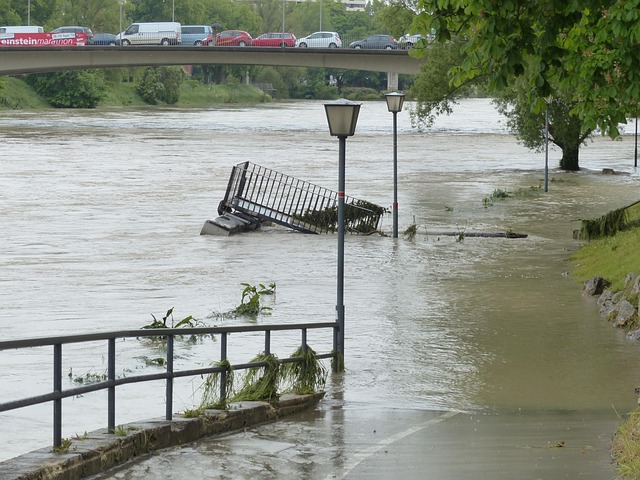
In the immediate aftermath of a flood, the initial response from the community can make a significant difference in the speed and effectiveness of house clearance after flood damage. Fans play a crucial role in this phase, providing critical support to those affected. When water levels recede, fans can be deployed to dry out homes and personal belongings, a process known as de-humidification. This step is essential in preventing mold growth and secondary damage, such as wood rot and structural deterioration. For instance, after Hurricane Katrina, fans were utilized to expedite the drying process in flooded homes, significantly reducing the instances of long-term structural issues.
How to Save Possessions from Flood Damage is a pressing concern for homeowners. Fans can aid in this effort by circulating air, helping to remove moisture from valuable items like furniture, electronics, and documents. Strategically placed fans can direct airflow to hard-to-reach areas, ensuring no corner of the home is left vulnerable to mold. Additionally, fans can facilitate the work of professional cleaners and restorers who follow the initial drying process. It's important to note that, while fans offer immediate relief, they are not a long-term solution for house clearance after flood damage. Professional services, such as those provided by specialized mold remediation companies, should be engaged to thoroughly clean and restore homes.
Insuring Your Home Against Flood Damage is a proactive step that can mitigate the financial burden of flood-related repairs. Homeowners in flood-prone areas should review their policies to ensure adequate coverage, understanding that standard home insurance policies typically do not cover flood damage. Visiting us at remediating mold in flooded homes can provide expert guidance on navigating house clearance after flood damage, as well as offer solutions for preventing and mitigating future flooding. Data from recent years underscores the growing importance of flood insurance, with the number of claims increasing annually, highlighting the increasing prevalence and severity of flooding events.
House Clearance After Flood Damage: A Step-by-Step Guide

House clearance after flood damage is a critical step in the rebuilding process, requiring careful navigation and a systematic approach. Post-flood mental health considerations cannot be overlooked, as the emotional toll of such events can be significant. The immediate aftermath of a flood presents a unique set of challenges, from assessing damage to disposing of contaminated items. A comprehensive guide, such as this, offers a structured path to navigate these complexities.
The first step in house clearance after flood damage is to ensure safety. Check for structural integrity, gas leaks, and electrical hazards before entering. Wear appropriate protective gear, including gloves, boots, and masks, to minimize exposure to mold, bacteria, and other potential health risks. Document damage using photographs for insurance claims and to aid in the decision-making process. Separate items into categories: salvageable, potentially salvageable, and disposable. Salvageable items may include furniture, appliances, and clothing, while disposable items may include electronics, drywall, and carpeting.
Next, remove water-damaged items promptly to prevent mold growth and further damage. Use absorbent materials like towels and mops to dry surfaces and soak up excess water. For larger items, consider using fans and dehumidifiers to accelerate the drying process. Once the area is dry, decide on the appropriate disposal method. Discard contaminated items, such as those that have come into contact with floodwaters, in accordance with local regulations. Visit us at home insurance for heavy flooding for more insights on post-flood rebuilding, including a comprehensive guide to rebuilding after a flood and preparing for future flood events.
Finally, consider the post-flood mental health considerations. The emotional impact of a flood can be profound, affecting individuals, families, and communities. Seek support from local resources, such as crisis hotlines and community support groups, to help process trauma and grief. Remember that rebuilding after a flood is a marathon, not a sprint. With proper planning, house clearance, and resilience, it's possible to restore your home and rebuild your life stronger than before.
Community Support: Mobilizing Fans for Efficient Cleanup

In the aftermath of a flood, communities often find themselves facing a daunting task: house clearance after flood damage. The initial response to such events typically involves immediate relief efforts, but efficient cleanup and restoration require strategic planning and community support. Mobilizing fans—or volunteers—for flood cleanup plays a pivotal role in accelerating recovery and fostering resilience within affected neighborhoods. This collaborative approach not only aids in the physical clearing of debris but also provides emotional support for those impacted by these catastrophic events.
The power of community is evident when residents come together to assist in house clearance after flood damage. Local fans can be trained to perform various tasks, from removing water-logged furniture to sorting salvageable items from waste. By preparing for future flood events through organized volunteer networks, communities can enhance their response capabilities. For instance, establishing local cleanup teams equipped with essential tools and safety training enables swift action when a flood strikes again. Moreover, these volunteers can assist in the critical process of flooded basement dry out and repair, ensuring homes are safe from further damage and mold growth.
While community support is invaluable, there are times when hiring experts for flood cleanup becomes necessary. Professional services offer specialized equipment and knowledge tailored to complex restoration needs. For instance, water extraction, dehumidification, and structural drying require advanced technology and expertise. Recognizing the importance of a thorough clean, many residents give us a call at home renovation post-flood for expert assistance. This collaborative approach— combining community initiative with professional insight—is key to achieving successful house clearance after flood damage and preparing for future resilience.
To maximize efficiency, communities should implement strategic planning in terms of both organizing volunteers and selecting appropriate cleanup methods. Data from past events can guide decisions on resource allocation and volunteer training requirements. By learning from each flood event, communities can continually enhance their preparedness and response capabilities, ensuring faster recovery times and reduced impact for all involved.
Post-Flood Recovery: Fans and the Emotional Healing Process
In the aftermath of a flood, the emotional healing process is as vital as physical repairs. Among the many challenges, house clearance after flood damage presents unique complexities, particularly when it comes to salvaging precious items and mementos. Fans play a significant role in this recovery phase, offering more than just comfort; they provide a sense of normalcy and support during the difficult task of rebuilding.
For instance, consider the countless hours volunteers have dedicated to helping flood victims clear their homes. Their presence offers emotional backing, easing the stress of deciding what to keep, discard, or salvage. This collaborative effort fosters a community-driven recovery, where each fan contributes to a common goal—restoring homes and lives. Furthermore, fans can assist in the delicate process of saving family photos from water damage, a task that requires patience and care. By drying and preserving these cherished items, fans help families reconnect with their history and memories, mitigating some of the psychological trauma caused by flood damage.
However, it's crucial to avoid common mistakes during this process. Dealing with mold after water damage is a significant concern; improper handling can exacerbate health issues. Therefore, it's essential to educate fans on safe methods for house clearance and restoration. For instance, discarding affected items promptly and using appropriate equipment to prevent mold growth are critical steps. It's also worth noting that some items may not be salvageable, and making informed decisions is key to avoiding unnecessary distress.
In terms of practical advice, fans should prioritize tasks based on health and safety risks. The process of structural flood damage repair should be left to professionals who can effectively navigate the challenges, ensuring a thorough and safe restoration. For instance, finding us at dealing with structural flood damage ensures access to experts equipped to handle complex issues. By focusing on personal well-being and leaving specialized tasks to pros, fans can actively contribute to a smooth recovery process, facilitating the emotional healing that is every bit as vital as the physical reconstruction of homes after a flood.
The article has illuminated the multifaceted role fans play in flood cleanup and recovery, from initial relief efforts to long-term emotional healing. Key insights reveal that during the critical early response, fans are invaluable for air circulation, helping mitigate mold growth after House Clearance After Flood Damage. Furthermore, their community mobilization capabilities streamline post-flood cleanup processes. Step-by-step guides provided offer practical frameworks for efficient recovery. Understanding and harnessing fan support can significantly enhance local resilience against future floods, ensuring faster and more effective healing for impacted communities.