
House Clearance After Flood Damage is crucial for property protection and restoration. Key steps include proactive preparation, immediate actions post-flood, systematic restoration, and reconstruction. Turn off electricity, remove water-logged items, clean and dry affected areas, and consult professionals for mold treatment and safe disposal. Regular inspections and proper House Clearance minimize damage, ensure structural integrity, and create a habitable space. Implement flood protection measures to safeguard against future events.
Floods can wreak havoc on homes, leaving behind not just physical damage but also the daunting task of house clearance after flood damage. As a property owner, knowing how to protect your possessions is vital to mitigate losses and expedite recovery. This article provides an authoritative guide to saving your belongings from water-related destruction, offering practical steps to safeguard valuables during and after floods strike. From preparing essential items for evacuation to implementing effective drying methods, we delve into the crucial aspects of house clearance, ensuring you can restore your home with confidence and minimal disruption.
- Understanding Flood Risk and Preparation
- Protecting Possessions Before a Flood
- Immediate Actions After a Flood Strikes
- House Clearance After Flood Damage: Step-by-Step
- Dry Out and Deodorize Effectively
- Restoring and Insuring Your Property
Understanding Flood Risk and Preparation
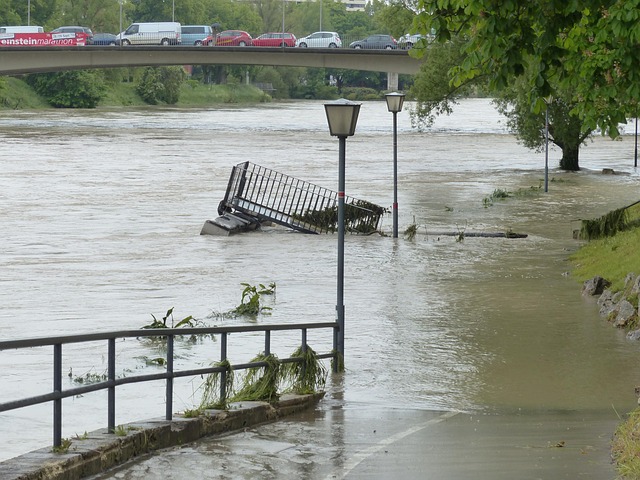
Understanding Flood Risk and Preparation is a critical step in safeguarding your possessions from devastating flood damage. Floods, a natural force often unpredictable, can cause immense harm to both structure and personal belongings. According to the National Oceanic and Atmospheric Administration (NOAA), flash floods alone claim countless lives and cause billions in property damage annually. The first line of defense against this threat is recognizing and assessing your property’s vulnerability.
Key factors to consider include geographical location, historical flood events in your area, and the proximity to water bodies, rivers, or streams. For instance, living in a low-lying region or near a floodplain significantly increases the risk. Past experiences, such as localized flooding during heavy rainfall or storms, are strong indicators that your property may face similar fates. Proactive preparation involves implementing measures like raising essential appliances and fixtures, installing flood barriers, and keeping emergency supplies ready.
Dealing with structural flood damage requires a systematic approach. Once the immediate threat has passed, assessing the extent of damage is crucial. This involves inspecting for water intrusion, mold growth, and structural integrity issues. Hiring experts for flood cleanup, such as professional restoration teams, is often necessary. These specialists not only handle the immediate clearance of water and debris but also provide critical post-flood house clearance after flood damage, ensuring a safe and sanitary environment. Local flood restoration teams, grounded in the region’s unique challenges, can offer tailored solutions, like repairing or replacing damaged drywall, treating mold, and restoring valuable possessions.
Should you find yourself facing flood damage, give us a call at professional flood damage restoration for immediate assistance. Timely action, coupled with expert intervention, is key to minimizing losses and ensuring your property’s longevity. Remember, while floods are a natural occurrence, being prepared and knowing whom to turn to can make all the difference in house clearance after flood damage and the restoration process.
Protecting Possessions Before a Flood
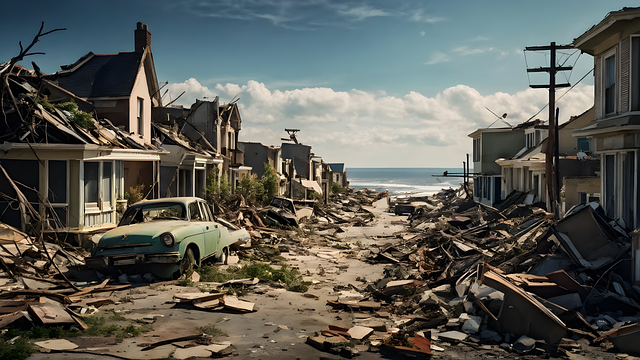
Protecting your possessions from flood damage requires a multi-step strategy that starts well before the waters rise. While house clearance after flood damage is a crucial step in the recovery process, proactive measures can significantly minimize losses and expedite restoration. A strategic approach to dealing with water stains post-flood and restoring living spaces after flooding is essential for a swift return to normalcy.
Before a flood occurs, securing valuable items and ensuring your home’s structural integrity are non-negotiable. This involves moving irreplaceable documents, photographs, and heirlooms to higher ground or water-resistant storage units. Similarly, reinforcing doors and windows with storm shutters can offer vital protection against breaking glass and potential water ingress. Additionally, checking and maintaining sump pumps and floodgates can provide an extra layer of defense against rising waters.
Once the flood has subsided, immediate actions like turning off electricity at the main breaker and removing water-logged items are essential. These initial steps not only prevent further damage but also create a safer environment for house clearance after flood damage. Restoring living spaces after flooding involves a meticulous process of cleaning, drying, and decontaminating affected areas. Dealing with water stains post-flood requires prompt action to avoid permanent discoloration and damaging mold growth.
As you navigate the complexities of rebuilding after a flood, consider enlisting the expertise of professional restorers. These specialists are equipped with advanced equipment and deep knowledge in restoring homes and possessions to their pre-flood condition. Visiting us at [hiring professional restorers] can provide peace of mind and ensure your property receives the best possible care during this challenging time. Remember, a comprehensive guide for rebuilding after a flood should incorporate regular inspections, meticulous documentation of repairs, and adherence to local building codes to safeguard your investment and guarantee a safe, habitable space.
Immediate Actions After a Flood Strikes

After a flood strikes, the initial actions taken can significantly impact the extent of damage to your possessions and home. The first 24–48 hours are critical for minimizing losses and preventing further structural damage. Begin by turning off the electricity at the main breaker box to avoid electrocution risks and potential fires sparked by short circuits. If water has infiltrated the basement or lower levels, do not enter until local authorities confirm it’s safe due to possible hazardous conditions.
House clearance after flood damage should start with removing wet items like furniture, carpets, and insulation as these can become breeding grounds for mold if left too long. Use wetted materials in your compost pile if they’re beyond salvage or give us a call at dealing with mud after a flood for professional assistance in safe disposal. For items that can be saved, dry them thoroughly using fans, dehumidifiers, or even the sun’s heat. Place them in areas with good air circulation to speed up drying.
Preventing structural damage from floods involves assessing and addressing water-related issues promptly. Check for leaks in roofs, walls, or floors, and repair them as soon as possible to avoid prolonged water exposure. Dealing with mold after water damage is another critical step. Mold can begin forming within 24–48 hours, so inspect affected areas closely and consider professional remediation if the contamination is extensive. Regular inspections during and after a flood event can help identify potential issues early on, making house clearance and repair processes more manageable.
Flood preparedness isn’t just about cleaning up afterward; it’s an investment in protecting your home and belongings. Consider purchasing water-resistant materials for renovations or upgrades, installing check valves to prevent backflow, and keeping emergency kits readily available. According to the Red Cross, nearly 40% of people affected by a flood don’t have adequate insurance coverage, highlighting the importance of proactive measures. By taking these steps, you’re not just clearing out damage but safeguarding your home for the future.
House Clearance After Flood Damage: Step-by-Step

Flooding can devastate homes, leaving behind damaged structures and possessions. Effective house clearance after flood damage is a crucial step in the home restoration process. This involves not only removing water-soaked items but also preventing mold growth and ensuring proper disposal to avoid environmental hazards. Start by assessing the extent of damage, prioritizing safety first and wearing protective gear such as gloves, boots, and masks. Next, document everything using photos or videos for insurance claims and future reference.
Create a plan based on the type and severity of damage. Separate items into categories: salvageable, partially damaged, and non-salvageable. For partially damaged goods like furniture, carpets, or electronics, consult with professionals who can assess their viability for cleaning and restoration. Non-salvageable items should be removed immediately to prevent further deterioration. Dispose of contaminated materials responsibly, following local guidelines for hazardous waste disposal, especially when dealing with items that have been submerged in floodwaters.
After clearing the main areas, focus on detailed work: remove baseboards, inspect walls for hidden moisture, and take apart furniture if necessary. Dry out spaces thoroughly before considering any restoration efforts. Utilize fans, dehumidifiers, and other drying equipment to expedite the process, aiming for relative humidity below 50% to prevent mold growth. Remember, prompt action is key in house clearance after flood damage. Delaying can lead to more extensive repairs, higher costs, and health risks from mold exposure.
Once the space is dry, decide on restoration or replacement. For those passionate about their belongings and willing to invest time, money, and effort, professional cleaning services offer specialized treatments for fabrics, wood, and electronics. However, in cases of severe damage or extensive mold growth, it may be more sensible to replace items rather than attempt lengthy restoration processes. Whichever path is chosen, proper disposal and cleanup during house clearance after flood damage are essential steps towards restoring your home to its pre-flood condition and ensuring a healthier living environment. For expert assistance with home restoration after major floods and effective prevention of mold after flood damage, find us at restoring outdoor spaces after flooding.
Dry Out and Deodorize Effectively

After a flood, effective house clearance and thorough drying are crucial steps in mitigating damage and restoring your living spaces. The process of dry out and deodorization goes beyond simply removing water; it involves addressing structural flood damage, restoring electrical systems safely, and ensuring that your home is free from unpleasant odors that can linger long after the floodwaters recede.
A professional approach to house clearance after flood damage is essential. Begin by removing all damaged items, including furniture, carpets, and belongings. These items can harbor bacteria and mold if left behind, exacerbating the cleanup process and increasing health risks for residents. Next, focus on drying out every corner of your home—from walls and ceilings to structural components like floor joists and insulation. High-efficiency moisture absorbers and dehumidifiers are invaluable tools in this phase. Remember that it’s not just about surface dryness; you must also address hidden moisture trapped within walls and under floors.
Once the area is dry, the process of deodorization becomes paramount. Flooding often leaves behind a pungent, unpleasant odor due to the presence of bacteria, mold spores, and other contaminants in the water. Effective deodorization involves using powerful air purifiers and odor neutralizers. Consider specialized products designed for flood damage restoration, which can target and eliminate stubborn odors associated with water intrusion. For instance, data from the Insurance Institute for Business & Home Safety (IBHS) highlights that homes left unaddressed after flooding are at higher risk for mold growth, which can lead to significant health issues for residents and further property damage.
As you restore your living spaces, keep in mind the interconnectedness of these processes: dealing with structural flood damage, restoring electrical systems post-flood, and restoring living spaces after flooding all rely on thorough drying and deodorization as foundational steps. For instance, attempting to reinstall electrical systems while areas remain damp can lead to short circuits and further damage. Similarly, without proper deodorization, even after repairing and replacing damaged items, the original odors can persist, creating an unpleasant and potentially unhealthy environment for your family. To ensure optimal results, consider consulting with professionals specializing in restoration services, who can provide expert guidance tailored to your specific situation, including house clearance advice suited to the extent of flood damage encountered. For instance, visit us at [Brand Name] to learn more about restoring outdoor spaces after flooding, as this comprehensive approach will contribute to a faster and safer return to your home.
Restoring and Insuring Your Property
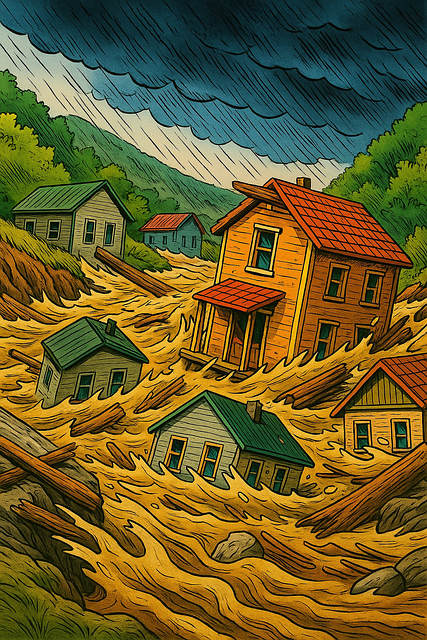
Flooding can cause extensive damage to homes, with water infiltrating every nook and cranny. Once the initial response and emergency phase are over, the process of restoring your property becomes paramount. House clearance after flood damage is a critical step in preparing for reconstruction. This involves removing contaminated items, cleaning affected areas, and assessing structural integrity—a meticulous task that requires careful planning and professional expertise.
Restoring living spaces after flooding demands a multi-step approach. The role of fans in flood cleanup cannot be overstated; they aid in drying out damp walls and ceilings, preventing mold growth, which can significantly impact indoor air quality and health risks. It’s essential to follow safety protocols when using these devices, ensuring proper ventilation throughout the process. After initial dehumidification, a thorough house clearance allows for a deeper clean, removing any residual water or debris that could compromise the structure. This is where professional services excel, providing specialized equipment and knowledge to safely remove items and decontaminate affected areas.
Once the space is ready, restoration work begins. This includes repairing structural damage, replacing drywall, and restoring electrical systems. It’s crucial to document every step, noting what needs replacement or repair, especially if you plan to make insurance claims. Keep records of all expenses for future reference. As you rebuild, consider implementing better flood protection measures to minimize future damage. If severe flooding has impacted your area, give us a call at rebuilding after severe flooding for expert assistance in navigating this challenging process. Remember that the journey to restoring your home is manageable with the right support and thorough house clearance strategies.
By comprehending flood risks, preparing accordingly, and taking immediate action after a flood, you can significantly protect your possessions. Key insights include pre-flood measures like securing valuable items, installing water sensors, and planning an evacuation route. Post-flood, immediate steps like turning off utilities and beginning house clearance after flood damage are crucial. Effective house clearance involves systematic sorting, document preservation, and specialized equipment. Once cleared, thorough drying and deodorizing prevent mold growth. Restoring and insuring your property ensures long-term protection, with insurance offering peace of mind and financial support for repairs. Implement these strategies to safeguard your home and belongings from the devastating effects of flooding.