
Preventing structural flood damage involves a multi-layered approach including waterproof barriers, secure fixtures, and efficient drainage. Post-flood, swift house clearance after flood damage, along with structural assessments and proper drying, prevents mold and further deterioration. Early intervention saves costs and health risks. Seek professional assistance for thorough house clearance after flood damage to ensure home security and restoration.
Floods pose a significant threat to structures worldwide, causing substantial damage and requiring meticulous House Clearance After Flood Damage. Preventing such devastation is paramount for property owners and builders alike. This article delves into the intricate strategies and best practices aimed at safeguarding buildings from floodwater’s destructive forces. We explore effective design interventions, robust construction techniques, and proactive measures that can mitigate risks and ensure structural integrity in areas prone to flooding. By providing an in-depth guide, we empower readers with the knowledge to protect their investments and foster resilience against this natural hazard.
- Understanding Flood Risks: Preparation is Key
- Protecting Your Home: Structural Measures & Barriers
- House Clearance After Flood Damage: A Step-by-Step Guide
Understanding Flood Risks: Preparation is Key
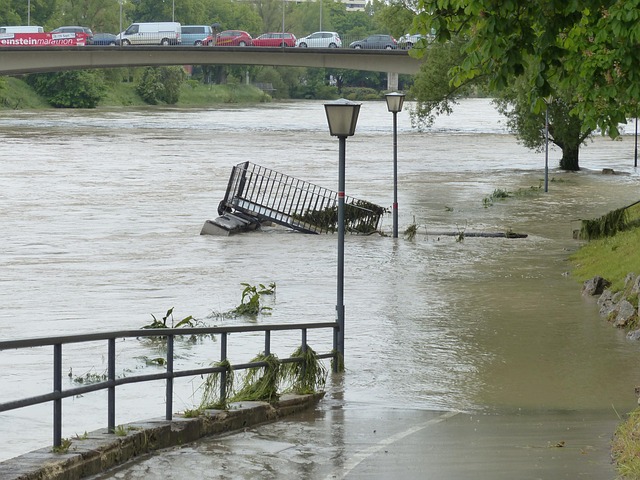
Understanding Flood risks is a crucial step in preventing structural damage and ensuring a swift recovery after a flood. Many homeowners underestimate the potential for extensive harm caused by water intrusion, leading to costly repairs and a lengthy house clearance after flood damage. In regions prone to flooding, understanding local flood patterns, and preparing accordingly, can significantly mitigate risks.
Regularly reviewing and updating your flood protection plan is essential, as weather patterns are changing, and new threats may emerge. This includes investing in flood barriers, securing valuable belongings on higher levels, and ensuring proper drainage systems. By taking proactive measures, homeowners can minimize water penetration, preventing structural flood damage to their properties.
Post-flood, the focus shifts to house clearance after flood damage and rebuilding. Structural damage assessments are critical to ensure safety and identify areas requiring professional repairs. The role of fans in flood cleanup cannot be overstated; they aid in drying out affected areas, preventing mold growth and further deterioration. Engaging in timely house clearance and utilizing appropriate drying equipment are key to preserving the structural integrity of your home.
Beyond physical repairs, post-flood mental health considerations cannot be ignored. Flooding can be traumatically impactful, leading to stress, anxiety, and PTSD. Reaching out to support networks and professionals for assistance is vital. Additionally, seeking expert advice on dealing with structural flood damage is crucial for a successful recovery. Remember that, as challenging as the situation may seem, with proper preparation, proactive measures, and professional guidance, it is possible to recover from flood damage and rebuild a safer, stronger home. Give us a call at Home Renovation Post-Flood for comprehensive assistance during this difficult time.
Protecting Your Home: Structural Measures & Barriers
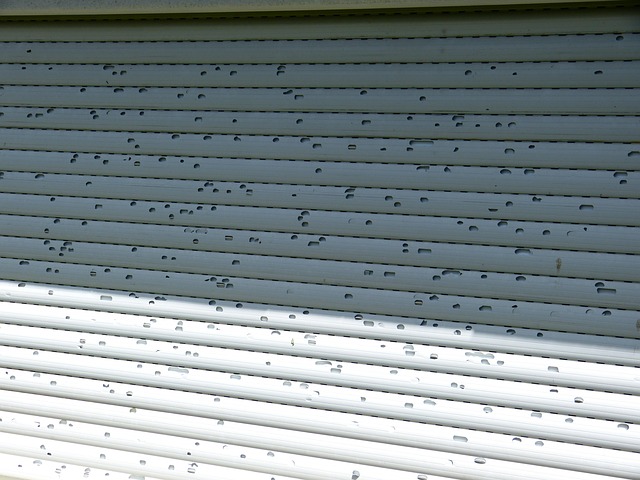
Protecting your home from structural damage caused by floods involves a multi-layered approach combining robust measures and barriers to safeguard its integrity. The primary focus should be on preventing water penetration and mitigating its immediate effects, especially in areas prone to flooding. This includes installing waterproof membranes and coatings on exterior surfaces, reinforcing doors and windows with impact-resistant materials, and raising essential structural components above potential flood levels. For instance, elevating the foundation or using flood-resistant materials in construction can significantly deter structural damage.
Once a flood has occurred, it’s crucial to act swiftly to prevent secondary issues like mold growth and water stains that can compromise your home’s structure further. Dealing with water stains post-flood promptly involves using specialized cleaning agents and techniques to remove visible marks left by standing water. Hiring local flood restoration teams equipped with advanced equipment is highly recommended for effective house clearance after flood damage, as they understand the urgency and delicate nature of such situations. These professionals can also assess potential structural damage, ensuring that your home is safe and secure before you begin repairs or renovations.
Data suggests that early intervention in flood-damaged properties can save homeowners significant costs associated with long-term repairs and health issues related to mold exposure. Therefore, it’s essential to understand the scope of house clearance after flood damage and prevent structural damage from escalating. Visiting us at removing floodwater from house for professional assistance can provide the expertise needed to navigate this challenging time effectively. By combining robust preventive measures with swift post-flood actions, homeowners can protect their investments and ensure their homes remain safe and secure in the face of flooding events.
House Clearance After Flood Damage: A Step-by-Step Guide

Flooding can cause significant structural damage to homes, but one of the most critical yet often overlooked aspects of recovery is house clearance after flood damage. Efficiently managing this process not only prevents further deterioration but also plays a pivotal role in mitigating health risks post-flood. The first step is to assess the extent of the damage, prioritizing areas like basements, kitchens, and bathrooms, which are particularly vulnerable to mold growth and water-borne pathogens.
A comprehensive house clearance strategy involves several steps. Begin by turning off electricity and gas supplies to prevent accidents. Next, remove wet items, such as furniture, carpets, and drywall, as they can serve as breeding grounds for bacteria and mold. It’s crucial to use personal protective equipment, including gloves, masks, and waterproof boots, to safeguard against harmful substances. After removing damaged items, thoroughly clean and disinfect affected areas to eliminate any health risks. For instance, a flooded basement dry out and repair process should include the use of dehumidifiers and mold-inhibiting products to prevent long-term structural and health issues.
Restoring specific areas like bathrooms and kitchens requires careful consideration. In bathrooms, pay close attention to water-damaged tiles, flooring, and drywall. Not only do these materials need replacing, but the area must be thoroughly dried to prevent mold growth. Kitchens, meanwhile, demand special attention due to the potential for contamination from water-soaked appliances and cabinets. Disinfect surfaces, remove and replace damaged items, and ensure all appliances are thoroughly dried and sanitized. For example, a recent study showed that homes where floodwater reached above floor level faced an increased risk of mold and bacterial growth, highlighting the importance of proper clearance and drying.
Consider seeking professional assistance, especially for severe cases. Restoring a kitchen after a flood or managing extensive basement water damage can be complex. Professionals have the necessary equipment and expertise to ensure thorough drying, remove hazardous materials, and restore your home to its pre-flood condition. Visit us at [Brand/Website] for expert advice on navigating these challenges and protecting your investment.
By understanding flood risks and preparing accordingly, homeowners can significantly mitigate structural damage. Implementing robust structural measures and barriers is essential to protect homes from initial inundation. In the event of flooding, a well-planned house clearance after flood damage becomes crucial for safe and effective recovery. This comprehensive guide offers practical steps to navigate post-flood cleanup, ensuring a thorough and secure restoration process. Through these strategies, homeowners can regain control and restore their properties with confidence.