After a flood, prioritize safety by wearing PPE and assessing structural integrity. Turn off utilities, extract water promptly, and seek professional help for emergency house clearance, extraction, and restoration. Address mental health considerations post-flood. Recovery involves assessment, repairs, replacement, and restorative cleaning in three phases. Stabilize the property to prevent further damage. Remove damaged items, inspect structures, and use PPE during clearance (professional assistance recommended). Implement flood mitigation measures for long-term protection. Restore value through structural repairs and maintenance checks.
In the aftermath of a flood, house clearance after flood damage is a critical step towards restoring homes and lives. Floodwaters can leave behind not only extensive water damage but also hazardous debris, making thorough cleanup essential for both structural integrity and health safety. While the initial response often focuses on containing and removing standing water, successful long-term recovery demands a systematic approach to clearing and sanitizing affected areas. This article provides an authoritative, step-by-step guide to navigate this complex process, ensuring efficient house clearance after flood damage and laying the groundwork for a complete restoration.
- Assessing Flood Damage: Safety First
- Clearing & Stabilizing: House Renewal
- Restoration & Prevention: Future Preparedness
Assessing Flood Damage: Safety First
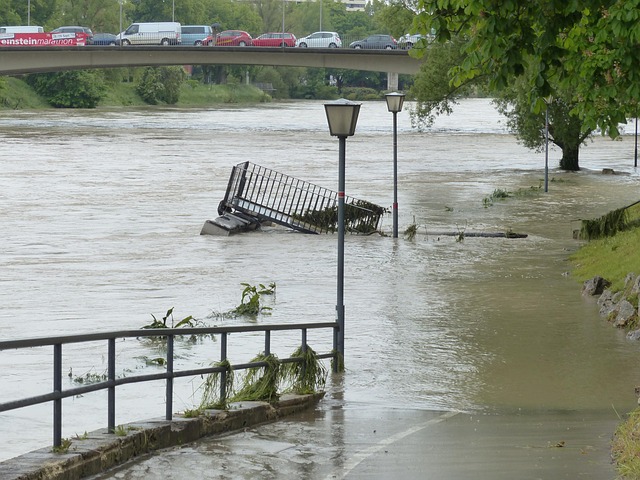
When assessing flood damage, safety must always be the top priority. Before entering a flooded home, ensure you wear protective gear including water-resistant boots, gloves, and a respirator to avoid health risks from mold, bacteria, and contaminated water. Check for structural integrity; if your home has sustained significant damage or there are signs of potential collapse, evacuate immediately and leave house clearance after flood damage to professionals.
The initial steps in house clearance after flood damage focus on safety and preventing further harm. Turn off electricity and gas supplies at the main valves or switches to avoid electrocution or explosion risks. Begin the process of removing water by using buckets, mops, or a water extraction machine. This emergency water extraction should be done promptly to minimize mold growth and structural deterioration. Remember that speed is crucial; act quickly but methodically to protect your property and health.
Post-flood mental health considerations cannot be overlooked. Floods can cause immense stress and anxiety, leading to what’s known as ‘flashback’ or ‘reliving’ experiences. Seek support from loved ones, community resources, or professional counselors if feelings of trauma or depression arise. Hiring emergency water extraction teams specialized in flood damage repair is a critical step in the recovery process. These professionals not only extract standing water but also dry out your home, prevent mold growth, and begin the initial stages of house clearance after flood damage.
Once the immediate crisis is under control, you can enter the flood damage repair phase by phase. This involves a thorough assessment of the damage, including structural repairs, replacement of affected items (Phase 1), and finally, restorative cleaning and deodorizing to ensure your home is safe and habitable (Phase 3). Visit us at [Restoring Doors After Water Damage] for expert guidance tailored to each stage, ensuring your property is restored to its pre-flood condition in a timely and efficient manner.
Clearing & Stabilizing: House Renewal

After a flood, house clearance and stabilization are critical steps in the cleanup process. This phase involves removing damaged items, assessing structural integrity, and preparing your home for restoration. Begin by evaluating the extent of the damage, focusing on safety first. Ensure utilities are turned off and check for any hazards like loose electrical wires or leaking gas lines. Next, start clearing out old furniture after flood water has subsided. Use tools like hammers, screwdrivers, and utility knives to dismantle affected pieces and discard non-salvageable items responsibly.
One of the most effective tools in this stage is fans, which play a vital role in drying out your home, especially in hard-to-reach areas like bathrooms. Restoring your bathroom after a flood requires meticulous care due to potential mold growth. After removing soaked carpets and furniture, employ fans strategically placed around the room to expedite drying. Consider using moisture meters to verify water levels before proceeding with restoration work.
Once major items are cleared, assess what can be restored and what needs replacement. This is also an opportune time to evaluate your home insurance claims for flood damage. Keep detailed records of damaged possessions and take photos as evidence for your insurer. For instance, a study by the National Flood Insurance Program (NFIP) found that average flood damage repairs cost around $43,000 per household. Prompt action can help mitigate these costs.
If you’re unsure about specific tasks or need professional assistance, don’t hesitate to give us a call at clearing out old furniture after flood. Experts in house clearance after flood damage are equipped with the knowledge and tools to safely and efficiently restore your property. Remember, proper stabilization is crucial for preventing further damage and ensuring a successful renovation process.
Restoration & Prevention: Future Preparedness

After a flood, house clearance and restoration are essential steps to ensure your home returns to its pre-flood condition. This process requires careful planning and professional expertise. Dealing with mold after water damage is a critical aspect of this phase. Mold thrives in moist environments, so promptly addressing moisture issues and implementing proper drying techniques is paramount. It’s important to remember that not all floodwater is equal; contaminated sources like sewers or rivers necessitate special handling to prevent further health risks.
House clearance itself involves several key steps. Firstly, remove any damaged items, including furniture and personal belongings. Next, thoroughly inspect the property for structural integrity, focusing on walls, floors, and ceilings. Once safety is confirmed, begin the cleanup process, using appropriate personal protective equipment (PPE) to safeguard against mold spores and other contaminants. Professional assistance in house clearance after flood damage is highly recommended due to the potential risks involved.
Preventing future flooding and its subsequent damage is a crucial aspect of long-term preparation. Implementing measures like flood barriers, proper drainage systems, and elevated electrical components can significantly reduce the impact of future events. Restoring your home’s value after a flood involves not only structural repairs but also updating and enhancing features that might have been affected by water intrusion. Regular maintenance checks and staying informed about local flood mitigation programs are vital steps in this process.
A professional approach to restoration, including house clearance and mold remediation, can ensure the health and safety of occupants while maximizing property value recovery. Remember, dealing with mold after water damage improperly can lead to adverse health effects and reduced home resale value. Visit us at [home restoration cost after flood] for expert guidance tailored to your specific needs. By prioritizing thorough cleanup, prevention strategies, and professional assistance, homeowners can effectively prepare for the future while restoring their properties to their highest potential post-flood.
After thoroughly exploring the process of flood damage cleanup, from assessing safety to house renewal and prevention strategies, a clear path emerges for those faced with post-flood recovery. The key insights lie in prioritizing safety during initial assessment, implementing effective clearing and stabilization techniques to mitigate further damage, and focusing on thorough restoration alongside proactive measures for future preparedness. Through meticulous House Clearance After Flood Damage, homeowners can not only restore their properties but also build resilience against potential future events. This article equips readers with the knowledge to navigate these critical steps, ensuring a more swift and effective recovery process.