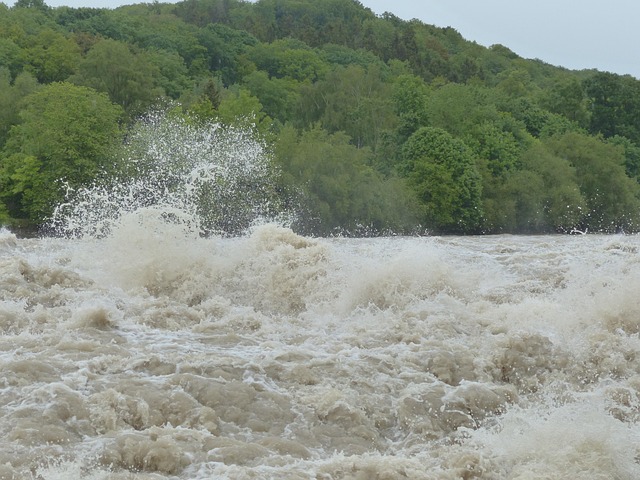
Effective house clearance after flooding involves a comprehensive assessment of structural integrity, water intrusion type, and duration. Prioritize health safety with PPE and proper ventilation. Timely action is crucial to prevent mold growth and long-term damage. Key steps include:
1. Structural stability check and hazard mitigation (e.g., gas leaks).
2. Professional assistance for severe cases involving specialized equipment.
3. Immediate water removal, especially in basements.
4. Categorize items for disposal, restoration, or salvage.
5. Continuous monitoring post-drying to catch hidden moisture.
6. Room-specific tailored restoration techniques.
7. Enhance resilience through design elements and regular maintenance.
8. Address mental health considerations with support networks and counseling.
In the aftermath of flooding, restoring living spaces becomes an urgent priority for homeowners. Flood damage can leave behind not just water but also mold, structural issues, and emotional trauma, necessitating a comprehensive House Clearance After Flood Damage approach. This article delves into the critical steps involved in effectively mitigating flood damage, ensuring the safety and health of residents while revitalizing their living environments. We provide expert insights on everything from assessing structural integrity to discarding contaminated items, offering practical guidance for navigating this challenging process with efficiency and care.
- Assessing Flood Damage: Understanding the Scope
- Safety First: Securing Your Living Space
- House Clearance After Flood Damage: Efficient Strategies
- Structural Repairs: Restoring Integrity and Stability
- Water Extraction and Drying Techniques for Homes
- Remodeling and Prevention: Building a Resilient Home
Assessing Flood Damage: Understanding the Scope

Assessing flood damage is a critical step in restoring your living spaces after heavy flooding. The initial assessment provides a clear understanding of the scope of work required for house clearance after flood damage. This process involves meticulously examining every corner and structure of your home, from structural integrity to personal belongings, to ensure nothing has been overlooked during the cleanup process.
First, focus on identifying the extent of water intrusion. Check for any visible signs of water lines on walls, ceilings, or floors, as these can indicate the height of the floodwater and its potential impact on your property. Document all affected areas using photography, which will be invaluable when making insurance claims or presenting to contractors for house clearance after flood damage. Additionally, assess the type and duration of water exposure, as this will influence the level of restoration needed. For instance, fresh water from a broken pipe may require less intensive treatment compared to salt water from coastal flooding, which can cause corrosion and leave behind harmful residues.
Preventing health risks post-flood is paramount during this phase. Standing water and wet materials can harbor mold and bacteria, leading to respiratory issues or allergic reactions. Therefore, when dealing with flood damage, prioritize safety by wearing protective gear such as gloves, masks, and boots. Ensure adequate ventilation in the affected areas, and consider professional assistance for extensive house clearance after heavy flooding or when dealing with severe water stains post-flood. According to a study by the Centers for Disease Control and Prevention (CDC), mold exposure is linked to respiratory issues, allergies, and other health problems, emphasizing the importance of proper cleanup techniques to prevent these risks.
In terms of what to expect during flood damage assessment and house clearance, be prepared for an in-depth process that may take time. Professionals will carefully remove water-damaged items, clean and disinfect surfaces, and address structural issues. They might also suggest specialized treatments like dehumidification or anti-mold coatings, especially if the floodwater contained contaminants or was present for an extended period. For instance, a recent report from the National Association of Home Builders (NAHB) highlights that severe flooding events have increased by 50% over the last decade, underscoring the growing need for effective and efficient house clearance after heavy flooding to mitigate long-term damage and health risks.
Safety First: Securing Your Living Space
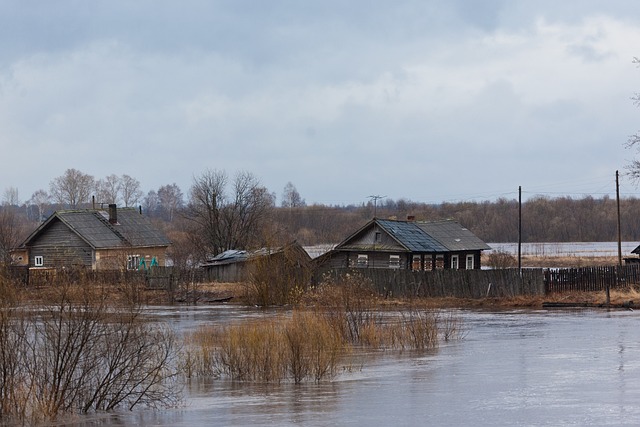
Before you begin the house clearance after flood damage and the subsequent restoration process, ensuring your safety should be the top priority. Navigating a flooded home can present numerous risks, from structural instability to hazardous contaminants. Therefore, it’s crucial to assess potential dangers thoroughly before diving into the cleanup.
Start by conducting a thorough inspection of your property, paying close attention to any visible signs of damage or weakness. Check for loose electrical wires, leaking gas lines, or damaged roofing—these issues require immediate professional attention. Also, be wary of mold growth, especially in humid environments, as it can pose significant health risks. Regularly updating safety equipment like non-slip footwear and protective gear during the cleanup process is essential to prevent injuries.
Once you’ve secured your safety, a step-by-step flood damage cleanup process begins. This involves removing wet materials, such as drywall or carpeting, that can foster mold growth and reduce the overall value of your home. It’s recommended to consult with professional flood cleanup services for severe cases. These experts are equipped with specialized equipment and deep cleaning techniques, like advanced drying methods and deodorization, to restore your property to its pre-flood condition effectively.
Restoring your home’s value after a flood is a meticulous task that requires dedication and expertise. Professional flood cleanup services can significantly enhance the outcome, ensuring your living space not only looks but also feels fresh and safe again. Remember, prompt action and proper safety measures are key to mitigating long-term damage. For instance, according to recent studies, properties left unattended for over 48 hours after flooding face a higher risk of mold infestations, which can lead to costly repairs and health complications. Find us at restoring flooded basement if you need assistance in this critical phase of the restoration process.
House Clearance After Flood Damage: Efficient Strategies
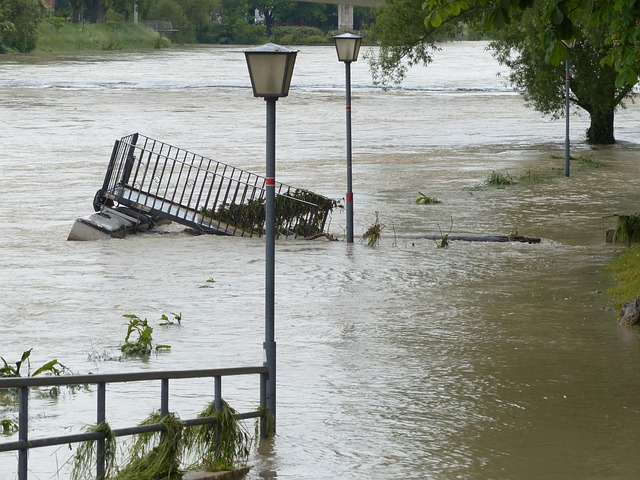
After a flood, house clearance becomes a critical step in the restoration process. The sheer volume of water can leave behind not only physical damage but also pose significant health risks if not handled properly. This is where professional services come into play, offering efficient strategies for house clearance after flood damage that prioritize safety and thoroughness.
Safety should always be the top priority when addressing flooded spaces. Personal protective equipment (PPE), including gloves, masks, and waterproof boots, is essential to mitigate the risk of contamination from mold, bacteria, or hazardous materials. Additionally, it’s crucial to ensure adequate ventilation during cleanup to prevent the buildup of harmful fumes and spores. Many post-flood environments also contain asbestos or lead paint debris, necessitating specialized handling techniques and professional intervention.
The process begins with a thorough assessment of the damage. Professionals will inventory the affected items, categorizing them for safe disposal, restoration, or salvage. For instance, wooden furniture may be able to be saved through meticulous cleaning and drying, whereas electronics and upholstery often require complete replacement due to water damage’s pervasive nature. A strategic plan is then devised based on the severity of the flood, with a focus on dried-out versus still-saturated items.
One key aspect in house clearance after flood damage is the handling of a flooded basement. Basements are particularly vulnerable to prolonged moisture, leading to not only water damage but also mold growth if left unattended. The process involves removing water through pumps or sump pumps, followed by thorough drying with dehumidifiers and fans. It’s crucial to address these issues promptly to prevent further damage and health hazards associated with mold and mildew.
Once the area is dry, professionals can begin the meticulous task of sorting and clearing out damaged items. This may include discarding contaminated materials, such as drywall or insulation, and salvaging items that can be restored through professional cleaning and repair techniques. It’s important to note that some possessions might not be salvageable, and this should be discussed openly with the restoration team.
Finally, after all cleared items are safely removed, the space is prepared for reconstruction and refurbishment. This involves sanitizing surfaces, repairing structural damage, and, in some cases, rebuilding entire sections of a home. Homeowners can then begin the process of filing their flood damage claims, taking with them a clear understanding of the scope of work accomplished during the house clearance phase. Remember that, by seeking professional help for house clearance after flood damage, you not only ensure safety but also expedite the restoration process, helping to return your living space to its pre-flood condition as efficiently as possible. For expert guidance on managing your flood damage claim and restoring your home, find us at [How to Value Flood Damage Claim].
Structural Repairs: Restoring Integrity and Stability

Restoring living spaces after flooding involves a meticulous process, especially when addressing structural repairs to ensure safety, stability, and longevity of your home. Dealing with structural flood damage is a critical phase in house clearance after flood damage, as it forms the foundation for a successful recovery. This entails not only fixing visible signs of water intrusion but also identifying and rectifying potential hidden issues that could lead to further complications. For instance, restoring your bathroom after a flood requires specialized attention due to its exposure to moisture, which can foster mold growth if left unchecked.
A comprehensive approach to structural repairs involves assessing the extent of damage, reinforcing compromised areas, and implementing effective water proofing solutions. In the initial phase of flood damage repair, it’s crucial to remove damaged materials like drywall or insulation that may harbor excess moisture. This step is critical in preventing mold growth, a common yet insidious consequence of flooding. Subsequently, repairing or replacing structural elements such as beams, joists, and subfloors ensures the integrity of your home’s framework. It’s important to seek professional assistance for complex cases to avoid further damage during repairs.
As you progress through the flood damage repair phases, focus on addressing both visible and hidden water lines. Cracks in foundations, walls, or ceilings may indicate deeper structural issues exacerbated by flooding. Properly sealing these areas with high-quality waterproof materials is essential to safeguard your home from future moisture intrusion. Remember that timely intervention is key; delaying structural repairs can lead to more severe damage and costly renovations down the line. For instance, a study by the Insurance Institute for Business & Home Safety (IBHS) found that homes left unrepaired after flooding are at higher risk of secondary damage, including mold growth and wood rot, which can significantly reduce property value.
In addition to structural repairs, consider engaging in house clearance after flood damage as part of your restoration process. This involves removing contaminated items, disinfecting surfaces, and properly disposing of salvageable yet damaged goods. A professional cleaning service specializing in water damage restoration can help ensure that your living spaces are not only structurally sound but also safe for occupation. Furthermore, visit us at preventing mold growth after flood to learn more about effective post-flood remediation strategies tailored to different areas of your home, including the kitchen, bedrooms, and basement.
Water Extraction and Drying Techniques for Homes

After a flood, the first step in restoring living spaces is thorough water extraction and drying. This critical phase sets the foundation for effective house clearance after flood damage and prevents long-term issues like mold growth and structural damage. The process requires specialized equipment and expertise to ensure safety and minimize losses.
Eco-friendly flood damage restoration techniques are gaining popularity as consumers become more conscious of environmental impact. These methods, which include using moisture-wicking materials, dehumidifiers, and natural ventilation, not only reduce the carbon footprint of the restoration process but also promote healthier indoor environments. For instance, opting for dehumidifiers with energy-efficient ratings can significantly lower energy consumption compared to traditional models.
Flood damage often leads to substantial house clearance needs, as items affected by water may include furniture, carpets, and personal belongings. Professional restorers are trained to assess the extent of damage and determine what can be salvaged or recycled, highlighting the importance of seeking expert help. For instance, wood that has been submerged in water for an extended period may need to be replaced due to warping or rot, whereas some fabrics and electronics might be restored with proper treatment.
Once water extraction and drying are complete, it’s crucial to monitor the affected areas continuously for several days to ensure there’s no hidden moisture. This proactive approach helps prevent further damage and facilitates a faster recovery. For homeowners, this could mean using moisture meters or consulting with restoration professionals who can offer guidance on safe and effective house clearance after flood damage. Remember that quick action is key; visiting us at restoring flooded basement whenever possible can provide expert assistance throughout the restoration process, ensuring your living spaces return to their pre-flood condition promptly and efficiently.
Remodeling and Prevention: Building a Resilient Home
Restoring a home after flooding is a complex process that requires careful planning and expert knowledge to ensure structural integrity, mitigate mold growth, and address mental health considerations for residents. Beyond immediate house clearance after flood damage, which involves removing water, debris, and contaminated materials, remodeling and prevention strategies are crucial for building resilience against future events. A comprehensive step-by-step flood damage cleanup includes assessing every area of the home, from basements to bathrooms, and implementing specific restoration techniques tailored to each space. For instance, restoring your bathroom after a flood necessitates addressing water-damaged flooring, walls, and fixtures, as well as ensuring proper ventilation to prevent mold growth.
A critical aspect of rebuilding is incorporating design elements that enhance a home’s resilience. This includes raising essential appliances and fixtures above expected flood levels, installing water barriers, and implementing efficient drainage systems. For example, relocating electrical panels and plumbing to higher levels can significantly reduce damage in the event of future flooding. Additionally, using waterproof materials in vulnerable areas like basements and kitchens provides an extra layer of protection. Homeowners should consult with professionals who specialize in both remodeling and flood-resistant design to ensure their investment is protected.
Prevention strategies extend beyond structural changes. Regular maintenance, such as inspecting and repairing roof drains, ensuring sump pumps function properly, and sealing entry points for water, can significantly minimize potential damage. Moreover, post-flood mental health considerations should not be overlooked. Residents may experience trauma, stress, or anxiety in the aftermath of a flood. Engaging with local support networks, seeking professional counseling, and adopting healthy coping mechanisms are vital steps towards recovery. Homeowners facing house clearance after flood damage and subsequent remodeling should prioritize these multifaceted strategies to build a more durable and comforting living space.
If you require expert assistance for water damage in attic or any other areas of your home, give us a call at cleaning up water damage in attic. Our team is equipped with the knowledge and resources to guide you through the complex process of restoration, ensuring your home is not just repaired but enhanced in resilience against future challenges.
Restoring living spaces after flooding involves a systematic approach, from assessing damage to implementing effective house clearance after flood damage strategies. Prioritizing safety during cleanup is paramount, ensuring secure living conditions before beginning repairs. Structural integrity must be restored, with particular focus on stabilizing affected areas. Water extraction and drying techniques are crucial for preventing mold and further damage, while efficient house clearance allows for thorough cleaning and remolding. The article emphasizes the importance of proactive measures to prevent future flooding, focusing on building resilience through remodeling and adopting preventive strategies. By following these key insights, homeowners can effectively navigate the process of restoring their properties, ensuring a safer, more resilient living environment.