House clearance after flood damage is crucial for minimizing secondary risks. Key steps include immediate action to prevent mold (40% reduction risk), thorough inspection for structural integrity, professional water removal services, furniture removal, and prompt mold prevention. Electrical system restoration demands safety first, professional help, disinfection, regular cleaning, and post-cleanup consultation. Post-flood restoration considers hidden hazards like lead paint, eco-friendly practices, sentimental item care, and disposal methods to prevent environmental impact. Wiring repairs require strategic attention, prioritizing safety with main breaker shutdown, thorough drying, and professional equipment for detection and repair. Proactive measures include elevated panels, waterproof wiring, maintenance checks, and insurance claims exploration. A comprehensive flood preparedness plan ensures minimal future damage.
Restoring electrical systems after a flood is a critical step in the house clearance process, ensuring safety and facilitating recovery efforts. Floodwaters can damage wiring, outlets, and panels, posing significant risks when re-energizing affected areas. This comprehensive guide delves into the intricate process of safely restoring electrical systems, offering practical insights for both professionals and homeowners undertaking post-flood house clearance after catastrophic events. By following meticulous procedures, we aim to mitigate hazards and expedite the journey towards rebuilding.
- Assessing Flood Damage: Initial House Clearance After Flood
- Safety First: Securing Electrical Systems During Cleanup
- Identifying Hazards: Safe Disposal for House Clearance After Flood
- Restoring Wiring: Techniques for Post-Flood Electrical Repair
- Prevention Measures: Safeguarding Against Future Flood Damage
Assessing Flood Damage: Initial House Clearance After Flood
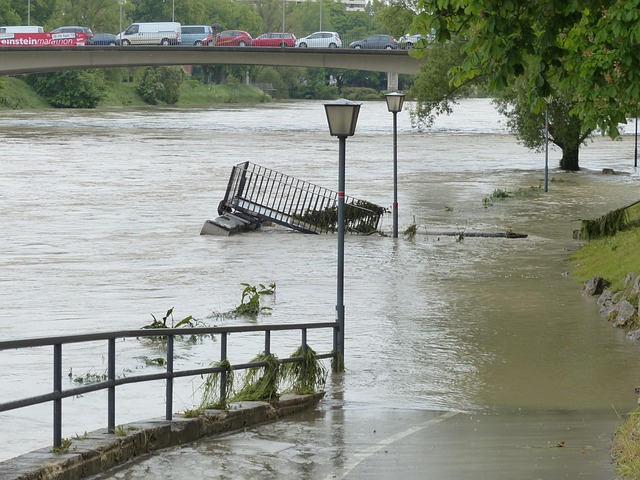
After a flood, the initial house clearance process is a critical step in restoring your property. This phase involves careful assessment and strategic planning to ensure safety and minimize further damage. The primary focus during this stage is to remove standing water and begin drying out the space as quickly as possible. It’s essential to act swiftly; according to the Insurance Institute for Business & Home Safety, immediate action can help reduce the risk of secondary damages like mold growth by up to 40%.
A thorough examination of the property should be conducted to identify the extent of flood damage. Start by assessing each room, taking note of any structural integrity issues and water intrusion points. Keep an eye out for indicators of severe water damage, such as bubbling or blistered walls, warped floors, and discolored baseboards. These visual cues can help guide your house clearance after flood damage process. For instance, if you notice peeling paint or the presence of mold, it’s crucial to address these issues promptly to prevent health risks associated with exposure to contaminated air.
While professional water removal services are invaluable for handling extensive flooding, there are some things property owners should avoid. Attempting to dry out the space too quickly without proper equipment can lead to further damage and increase the risk of mold growth. Additionally, do not disregard the importance of removing old furniture or personal belongings that have been affected by the flood waters. Give us a call at clearing out old furniture after flood to ensure these items are handled safely and properly disposed of, if necessary. Dealing with mold after water damage is another critical aspect; address it promptly to prevent health issues and costly remediation.
Safety First: Securing Electrical Systems During Cleanup

Restoring electrical systems after a flood requires meticulous care to ensure safety during house clearance after flood damage. The initial cleanup is an exciting phase but also poses significant risks if not handled correctly. Safety tips for post-flood cleaning are paramount as many hazards lurk in water-damaged homes, from live wires to mold growth. Always prioritize electrical safety by turning off power at the main circuit breaker before entering flooded areas. Wear protective gear, including insulated gloves and boots, especially when handling damp or potentially hazardous materials.
Hiring local flood restoration teams is a crucial step in effective house clearance after flood damage. These professionals are equipped with specialized equipment to assess and mitigate risks. They employ advanced drying techniques to prevent further damage and use powerful disinfectants to kill mold spores. For instance, according to the National Restoration Association, prompt action within 24-48 hours can significantly reduce potential health risks associated with mold growth in flooded homes.
As you begin the recovery process, ensure that recovered possessions are thoroughly cleaned and disinfected. This step is essential to prevent the spread of bacteria, viruses, and allergens. Disinfecting surfaces and items like textiles, electronics, and furniture with approved solutions can help restore safety and hygiene. Regular cleaning, ideally 1-3 times depending on the extent of contamination, is crucial. For example, the Centers for Disease Control (CDC) recommends using a solution of one cup of bleach per gallon of water for hard surfaces.
Once cleanup is complete, consider visiting us at home restoration cost after flood to discuss professional services tailored to your needs. A thorough understanding of safety tips for post-flood cleaning, hiring local experts, and proper disinfection can ensure your home becomes a safe haven once again.
Identifying Hazards: Safe Disposal for House Clearance After Flood
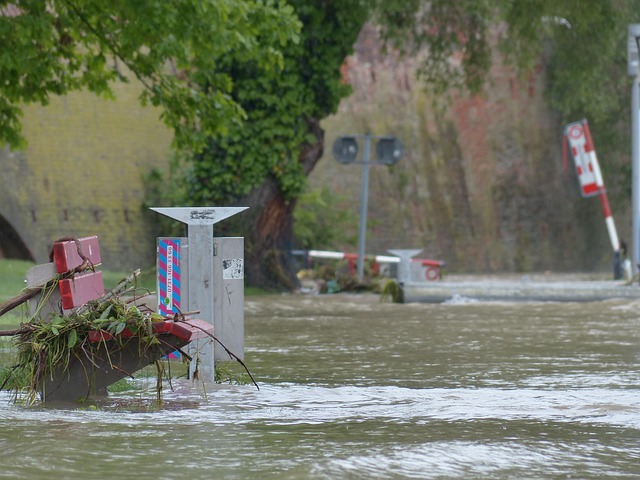
Post-flood restoration involves more than just repairing visible damage; it’s a meticulous process of identifying and mitigating hidden hazards to ensure safe house clearance after flood damage. One of the most critical aspects is proper disposal, especially in regions where structural integrity is crucial to prevent further harm from future flooding events. The initial step in any flood cleanup effort should be assessing potential risks associated with materials that have been saturated by water. Many items affected by floodwaters can harbor dangerous elements or contribute to secondary damage if not handled correctly. For instance, lead-based paint, which was common in older homes, can leach toxic particles when damaged by water, posing significant health risks during clearance and disposal.
Eco-friendly flood damage restoration practices are gaining prominence due to their effectiveness in minimizing environmental impact while mitigating structural damage. When dealing with house clearance after flood, professionals must carefully separate materials for proper disposal or recycling. Treating wood that has been submerged is a delicate process; it needs to be dried thoroughly to prevent mold growth and rot, which can weaken structural components. Metal items, if not properly treated, may corrode over time, leading to further deterioration. Implementing advanced drying techniques, such as industrial-grade dehumidifiers, ensures faster and more efficient water removal, reducing the risk of secondary damage during clearance.
Saving irreplaceable family photos and mementos from water damage requires specialized care. These items often hold immense sentimental value, making their preservation a top priority for homeowners. Professional restorers use advanced methods to salvage photographs and documents by carefully removing moisture, adhering to meticulous cleaning protocols, and employing pH-neutral materials for packaging and storage. As a testament to the importance of this process, studies show that proper restoration can increase the survival rate of such items from 50% to over 90%.
When navigating house clearance after flood damage, it’s crucial to engage with experienced professionals who understand the intricacies of safe disposal and eco-friendly restoration. By adhering to these best practices, homeowners can ensure their safety, protect their property, and preserve cherished memories while minimizing environmental impact. For expert assistance in drying out a water-damaged property, find us at [Brand/NAP]—we’re dedicated to helping you through every step of the restoration process.
Restoring Wiring: Techniques for Post-Flood Electrical Repair

Restoring electrical systems after a flood requires careful attention to detail, especially when it comes to wiring repairs. Post-flood house clearance and restoration involve meticulous processes to ensure safety and functionality. The extent of damage can vary widely, from slight water intrusion to complete submersion—each scenario necessitating specific techniques for effective electrical repair.
One of the primary challenges in home restoration after major floods is identifying and addressing potential electrical hazards. Water damage can cause severe corrosion, short circuits, or even compromise the structural integrity of wiring systems. It’s crucial to assess the extent of water penetration and consult with licensed electricians who specialize in post-disaster recovery. They employ advanced drying techniques for walls and fixtures while meticulously inspecting wiring for damage. For instance, high-water marks on walls can indicate the level of electrical system impairment.
Practical steps include turning off power at the main circuit breaker before beginning repairs. Drying out walls after flooding is a critical step to prevent further damage. Once dried, inspect cables for moisture or mold, replacing any damaged insulation and wiring as needed. In cases of severe flooding, it might be necessary to remove and replace entire sections of wiring, ensuring compliance with local electrical codes during house clearance after flood damage. Professional electricians often utilize specialized equipment to detect hidden water damage and ensure the safety of restored electrical systems in homes that have undergone significant restoration efforts.
Remember, safety should never be compromised. If you’re unsure about any aspect of electrical repairs, find us at drying out walls after flooding for expert assistance. Home restoration after major floods requires a comprehensive approach, including thorough cleaning, structural repairs, and meticulous electrical system restoration.
Prevention Measures: Safeguarding Against Future Flood Damage

Restoring electrical systems after a flood requires a multi-step approach, with a significant focus on prevention to safeguard against future damage. House clearance after flood damage is a critical initial step, involving the safe removal and disposal of contaminated items. This process should be carried out by professionals who understand the risks associated with flooded properties, such as mold growth and structural instability. The role of fans in flood cleanup cannot be overstated; they aid in drying out affected areas swiftly, reducing moisture levels and mitigating potential electrical hazards.
Once the immediate cleanup is complete, it’s essential to assess the extent of the water intrusion and its impact on electrical systems. Hiring local flood restoration teams with expertise in electrical repairs is crucial for ensuring safety and effective recovery. These professionals know how to navigate complex labyrinthine damage and can provide vital insights into when it’s safe to power back on. Many homeowners overlook the importance of home insurance claims for flood damage, but filing a claim can offer financial relief during the restoration process. Insurance policies often cover the cost of repairs and even house clearance after flood damage, providing peace of mind during an otherwise stressful situation.
A proactive approach to prevention includes implementing measures like elevated electrical panels and waterproof wiring to make homes more resilient against future flooding events. Regular maintenance checks and updates to electrical systems can also reduce the risk of damage. If you’re unsure about what to do with damaged belongings, consider consulting experts who can assess and guide you on disposal or restoration options. Ultimately, a comprehensive flood preparedness plan, combined with professional guidance, is key to minimizing the impact of future flooding and ensuring the safety of your electrical systems.
Restoring electrical systems after a flood requires meticulous care and a structured approach, as highlighted in this comprehensive guide. Key insights include prioritizing safety during cleanup, identifying potential hazards associated with house clearance after flood damage, and understanding the intricacies of post-flood electrical repair techniques. The article emphasizes the importance of securing electrical systems to prevent further damage and outlines effective prevention measures to safeguard against future incidents. By following these authoritative guidelines, homeowners can navigate the process of house clearance after flood damage while ensuring a safe and efficient restoration of their electrical systems.