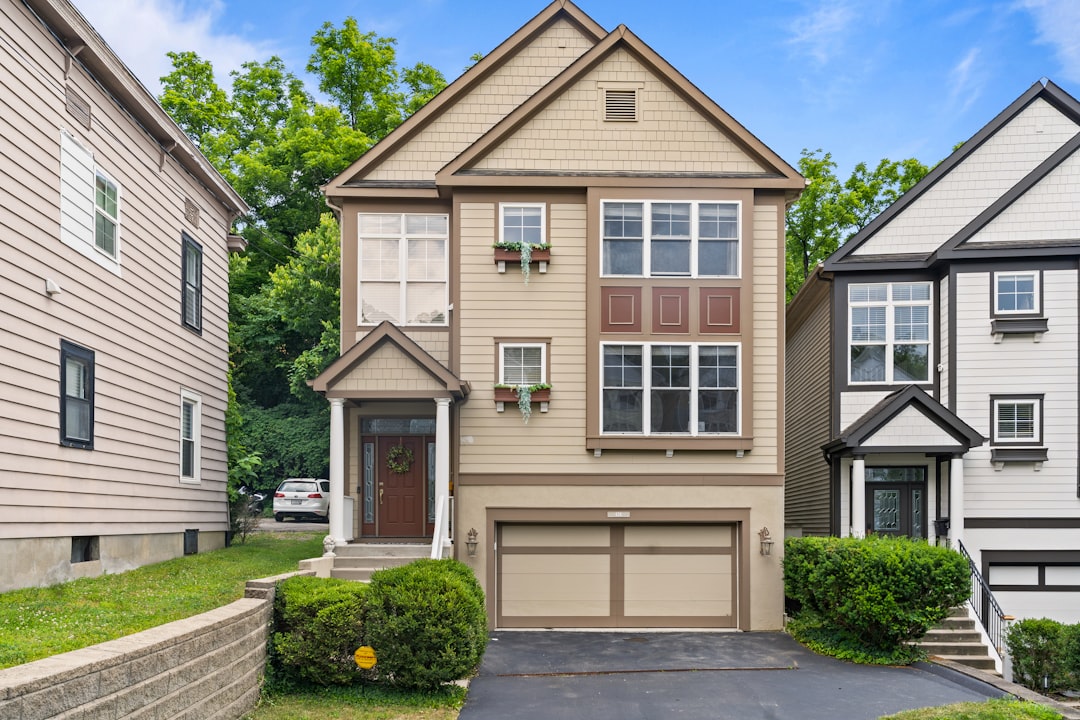
Floods can cause significant structural damage to buildings, impacting not just the physical integrity of structures but also the safety and livability of homes. Preventing this damage is of paramount importance, especially in regions prone to flooding. House clearance after flood damage is often a necessary step, but proactive measures can mitigate the impact. This article delves into effective strategies to safeguard homes from structural flood damage, offering practical insights for property owners and professionals alike to ensure resilience and minimize restoration needs.
- Understanding Flood Risks: Preparation Strategies
- Protecting Your Home: Structural Measures & Safeguards
- House Clearance After Flood Damage: Step-by-Step Guide & Best Practices
Understanding Flood Risks: Preparation Strategies
Understanding flood risks is a critical step in preventing structural damage to your home. Before a flood strikes, take time to assess your area’s vulnerability – historical data and local authorities can provide insights into past flooding events and predict potential future occurrences. This knowledge allows you to make informed decisions about protective measures such as raising your home’s foundation or installing better drainage systems. Additionally, ensuring that your property is insured against flood damage offers financial protection and peace of mind.
Preparation strategies for mitigating flood risks extend beyond structural measures. A comprehensive plan includes educating yourself on house clearance after flood damage. Promptly removing water-soaked possessions prevents mold growth and preserves their value. A step-by-step flood damage cleanup process involves documenting the damage, turning off utility services, and beginning the meticulous task of drying out your home. Restoring your bathroom after a flood requires special attention due to its high moisture levels; consider using professional dehumidifiers and disinfecting surfaces thoroughly.
Effective house clearance and step-by-step flood damage cleanup procedures significantly reduce the likelihood of structural damage. For instance, a study found that homes undergoing thorough post-flood cleaning experienced 30% less structural deterioration compared to those where cleanup was delayed. Moreover, prompt action prevents infestations of mold and insects, which can compromise the integrity of building materials over time. Dry out your home completely – relative humidity below 60% is ideal – before beginning restoration work. This meticulous approach ensures that your property not only survives but thrives after a flood, with minimal structural damage and restored to its pre-flood condition.
For more in-depth guidance tailored to specific areas and situations, consider reaching out to local experts or visiting us at dealing with structural flood damage anytime. Remember that proactive measures and swift action are key to minimizing the impact of floods on your home’s structure and value.
Protecting Your Home: Structural Measures & Safeguards
Protecting your home from structural damage during and after a flood is paramount to ensuring its longevity and your peace of mind. Beyond immediate safety measures like evacuating and securing your property, there are several crucial steps to safeguard your house’s structure from the devastating effects of flooded waters. One of the first considerations is house clearance after flood damage. This involves meticulously removing contaminated water, mud, and debris to prevent mold growth and structural deterioration. A professional flood damage cleanup service can efficiently handle this process, employing specialized equipment for thorough cleaning and decontamination.
For instance, a study by the Insurance Institute for Business & Home Safety found that homes left wet for more than 48 hours are at significant risk of developing mold, which not only damages the structure but also poses health risks to occupants. Therefore, swift action is key. After initial clearance, concentrated efforts should be directed towards drying out and repairing flooded basements—a common vulnerability during floods. This involves using dehumidifiers, air movers, and other specialized equipment to expedite drying, followed by a meticulous inspection and repair process.
The step-by-step flood damage cleanup should also address potential structural issues like weakened walls, compromised foundations, or damaged electrical systems. It’s crucial to consult with professionals who can assess these problems accurately. Moreover, post-flood mental health considerations cannot be overlooked. The emotional toll of experiencing a flood can be profound, affecting both homeowners and their families. Supporting individuals through counseling services and providing resources for stress management can significantly aid in the recovery process. Remember that, while structural repairs are essential, addressing the psychological impact is equally vital for a complete recovery.
Should you require assistance with these complex tasks, consider reaching out to flood damage cleanup services. These professionals are equipped to handle every aspect of house clearance after flood damage and subsequent repairs, ensuring your home is restored safely and effectively. By following these comprehensive steps—from initial flooding response to post-disaster mental health support—homeowners can protect their investments and rebuild with resilience against future floods.
House Clearance After Flood Damage: Step-by-Step Guide & Best Practices
House Clearance After Flood Damage: Navigating the Process Step-by-Step
The immediate aftermath of a flood can be overwhelming, but taking prompt action during house clearance after flood damage is crucial for both your safety and protecting your property’s value. This comprehensive guide outlines best practices to ensure an efficient and effective restoration process. Begin by assessing the extent of damage: inspect every room, noting water levels and affected areas. Document with photos for insurance claims and to aid in future reference. Prioritize safety above all else; wear protective gear when handling damaged items and avoid entering areas with active power or severe structural issues.
Next, focus on removing standing water promptly. Use buckets, pumps, or absorbent materials to prevent mold growth and further damage. For a flooded basement, specialized dry out and repair services are recommended. Professional flood cleanup teams employ advanced equipment for efficient water extraction and dehumidification, ensuring faster drying times and reducing the risk of structural decay. Restoring your home’s value after a flood involves more than just cleaning; it requires meticulous house clearance and reconstruction. Discard non-salvageable items, clean and disinfect surfaces, and carefully pack or dispose of affected belongings.
Consider hiring professional services for thorough inspection and repair. They can assess structural integrity, identify hidden damage, and provide expert guidance for rebuilding. Regular communication with your insurance provider is essential throughout this process. Keep detailed records, including receipts and photos, for faster claim processing and settlement. Remember, timely action and professional assistance are key to mitigating losses and restoring your home to its pre-flood condition, ensuring a smoother transition back into your living space. For expert guidance tailored to your situation, visit us at dealing with structural flood damage.
By understanding flood risks and implementing robust preparation strategies, homeowners can significantly mitigate potential structural damage. Protecting your home with suitable structural measures and safeguards is paramount, encompassing both physical barriers and efficient drainage systems. In the event of flood damage, a well-planned house clearance after flood damage becomes essential for not only restoring the property but also ensuring the safety and health of its inhabitants. This article has provided comprehensive insights into each critical step—from risk assessment to post-flood recovery—empowering readers with the knowledge needed to safeguard their homes and communities from the devastating impacts of floods.
Summary:
Preventing structural damage from floods involves a multi-step process focusing on house clearance after flood damage and meticulous cleanup. Key actions include:
1. Assess Vulnerability & Prepare: Use historical data and local authority insights to anticipate flooding risks.
2. Prompt House Clearance: Remove water, mud, and debris to prevent mold growth and structural deterioration. Consider professional services for efficient cleaning.
3. Dry Out and Repair Basements: Employ specialized equipment for quick drying to minimize structural damage.
4. Meticulous Step-by-Step Cleanup: Document damage, turn off utilities, dry out the home, and thoroughly disinfect surfaces.
5. Structural Inspection & Repair: Hire professionals to assess hidden damage and provide expert rebuilding guidance.
6. Insurance & Documentation: Maintain detailed records for faster claim processing and settlement.
Timely action and professional assistance are crucial for restoring your home’s safety, value, and pre-flood condition.