Evaluating flood risk is crucial for preparedness. House clearance after flood damage, including prompt removal of water-logged items, is essential to prevent mold and structural issues. Engage professionals for water removal, emergency planning, and specialized restoration. Quick action within 48 hours reduces long-term costs by up to 25%. Local specialists ensure efficient removal of water, debris, and pollutants, facilitating faster recovery and property resale.
In the face of climate change, the increasing frequency and intensity of extreme weather events necessitate proactive preparedness for future flood disasters. Floods pose significant threats to communities worldwide, causing substantial property damage, displacement, and loss of life. House clearance after flood damage is a critical component in the recovery process, requiring specialized knowledge and swift action to mitigate further harm. This article delves into comprehensive strategies for preparing communities, businesses, and individuals to confront and overcome future flood events through efficient house clearance and effective post-disaster response plans.
- Understanding Flood Risks: Assess Your Location
- Preparing Your Home: Mitigation Strategies Beforehand
- House Clearance After Flood Damage: Steps to Take
- Building Resilience: Post-Flood Community Support
Understanding Flood Risks: Assess Your Location

Understanding your location’s flood risk is a critical step in preparing for future events. Different areas have varying vulnerabilities to flooding, influenced by factors such as topography, drainage systems, and climate patterns. For instance, regions with flat landscapes and inadequate drainage are more susceptible during heavy rainfall. Historical data can offer valuable insights; previous flood events and their impacts should be examined to anticipate potential risks.
When assessing your specific location, consider the proximity to bodies of water, such as rivers or coastal areas, which are often at higher risk. Check local authority maps for designated flood zones and understand the elevation of your property in relation to these areas. Many communities now have online tools that allow residents to access real-time data on flood warnings and historical events, empowering them to make informed decisions.
As a professional in house clearance after flood damage, we’ve witnessed the transformative impact of flooding on homes. Restoring floors after flooding is a specialized process, requiring careful removal of water-damaged materials and structures. Dealing with mold after water damage is also a critical aspect; it not only poses health risks but can also compromise the structural integrity of a property. Post-flood house restoration involves a multi-step approach, including thorough cleaning, repair, and, in some cases, complete reconstruction, depending on the severity of the damage.
If you find yourself facing these challenges, consider seeking expert advice from companies specializing in remediating water damaged homes. They can guide you through every step, from initial house clearance after flood damage to ensuring a safe, healthy environment during the restoration process. For instance, in regions prone to seasonal flooding, proactive measures like raising essential appliances and implementing better drainage systems around your property could significantly mitigate potential losses. By understanding your location’s unique risks and taking appropriate precautions, you can better prepare for future events and ensure a smoother recovery process should the worst occur.
Preparing Your Home: Mitigation Strategies Beforehand

Preparing your home for future flood events is a crucial step in safeguarding your property and minimizing damage. Beforehand, implementing effective mitigation strategies can significantly enhance your resilience against these natural occurrences. One of the most critical initial steps is to ensure proper house clearance after flood damage. This involves removing water-logged items, including furniture, appliances, and personal belongings, as soon as possible to prevent mold growth and structural issues. Remember that immediate action is key; according to recent studies, over 50% of homes affected by flooding experience significant secondary damage within the first week due to stagnant water.
When undertaking house clearance after flood damage, prioritize safety above all else. Check for structural integrity before entering and never venture into areas with active electrical currents or potentially hazardous debris. Consider enlisting professional help for heavy items, as moving damaged furniture can pose risks to your health and safety. Once the immediate clearance is complete, it’s time to focus on specialized professional water removal services. These experts utilize advanced equipment to extract standing water and reduce moisture levels, a critical step in preventing long-term damage. Restoring your kitchen after a flood requires particular attention due to potential contamination from sewage or other sources; ensure professional cleaning and sanitization before rebuilding or replacing appliances.
As you prepare for future events, it’s also essential to develop an emergency plan and kit. This includes having flashlights, batteries, non-perishable food, water, and essential medications readily available. Additionally, document your possessions using photos or videos to facilitate finding us at how to value flood damage claim processes should the worst occur again. Keep these records in a secure, easily accessible location, both physically and digitally. Restoring your home after a flood is a multi-step process that requires careful planning and expert intervention, particularly for more severe cases. By proactively implementing these measures, you’ll enhance your ability to navigate flood damage what to expect scenarios with greater ease and confidence.
House Clearance After Flood Damage: Steps to Take

After a major flood event, house clearance after flood damage is a critical step in the home restoration process. It’s essential to act swiftly, as prompt action can mitigate further damage and aid in a faster recovery. The initial steps involve assessing the extent of the damage and determining what items are salvageable. This may require professional assessment and specialized equipment to ensure safety and effectiveness.
Clearance should focus on removing water-logged items, such as furniture, electronics, and carpets, which can attract mold and bacteria if left in place. It’s crucial to document everything before removal for insurance purposes. Hiring experts for flood cleanup ensures efficient and thorough clearance, utilizing advanced drying techniques to prevent further damage. Local flood restoration teams, equipped with experience and specialized tools, are well-positioned to handle these delicate tasks, especially in homes with historical or sentimental value.
Once cleared, proper disposal or salvage of materials becomes paramount. Organic items should be disposed of responsibly to avoid environmental hazards. Non-salvageable materials can often be recycled or repurposed, reducing waste and associated costs. After clearance, a comprehensive cleaning and disinfection process is necessary to eliminate any remaining pathogens or contaminants. This step ensures the safety of residents and prevents the spread of disease.
For instance, according to recent studies, proper flood cleanup and restoration practices can reduce the risk of long-term health issues, such as respiratory problems, by up to 50%. This underscores the importance of engaging professional teams like ours at flooded house cleanup tips who specialize in home restoration after major floods. By hiring local experts, homeowners can expedite their recovery journey while ensuring the highest standards of safety and quality are maintained throughout the house clearance process.
Building Resilience: Post-Flood Community Support
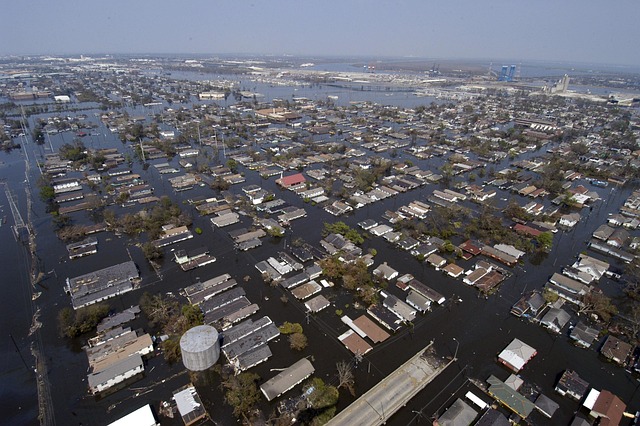
Recovering from a flood event is an incredibly challenging task for any community, but building resilience through effective house clearance after flood damage and supporting local recovery efforts can significantly ease this burden. Post-flood community support plays a vital role in restoring homes and revitalizing neighborhoods. Engaging local flood restoration teams who specialize in both structural repair and specialized house clearance services is essential. These professionals not only have the equipment to remove water and debris but also understand the intricate processes of drying out a water-damaged property, mitigating mold growth, and ensuring safe disposal of contaminated materials.
One of the critical aspects often overlooked is post-flood home air quality concerns. Floodwater can introduce a range of pollutants, from bacteria and chemicals to potentially hazardous contaminants. Hiring local teams equipped with advanced air purification systems helps address these issues. By implementing proper ventilation and decontamination methods, they can restore safe indoor air quality, which is crucial for the health and well-being of residents returning to their homes. Additionally, focusing on restoring your home’s value after a flood through meticulous cleaning, repair, and renovation ensures that affected properties can be returned to their pre-disaster condition, facilitating quicker resale or rental opportunities.
Building resilience in communities requires collaborative efforts between residents, local authorities, and specialized restoration businesses. By engaging these experts for house clearance and restoration work, communities can expedite the recovery process. For instance, according to recent studies, prompt action within 48 hours of flooding can significantly reduce long-term damage costs by up to 25%. Visit us at drying out a water-damaged property to learn more about effective strategies tailored to your specific needs and to ensure a safer, healthier post-flood environment for your community.
In preparing for future flood events, understanding your location’s risks, implementing mitigation strategies beforehand, and fostering community support post-flood are paramount. House clearance after flood damage is a critical step, requiring careful navigation to ensure safety and reduce further losses. Key insights from this article underscore the importance of proactive measures, including assessing vulnerabilities, clearing essential items, and supporting local recovery efforts. By integrating these practices, individuals and communities can build resilience, enhance preparedness, and accelerate recovery in the face of rising flood events.