
House clearance after flooding is crucial for minimizing structural damage, health risks like mold growth, and restoration costs. Understand insurance coverage, document losses, and promptly contact insurers. Remove water-damaged materials, address electrical safety, and consider mental health support. Proactive restoration, thorough documentation, and professional assistance streamline claims and eco-friendly restoration. Engaging experts in house clearance after flood damage facilitates a smoother transition back to pre-disaster conditions.
In the aftermath of a flood, one of the most daunting challenges homeowners face is navigating the house clearance after flood damage. The emotional and physical toll of such events is significant, adding immense stress to an already traumatic experience. This article provides an authoritative guide to understanding home insurance claims for flood damage, offering practical insights into the process, common pitfalls, and effective strategies for a swift and thorough recovery. By delving into these details, we aim to empower homeowners with the knowledge needed to ensure smooth resolution and efficient house clearance after flood damage.
- Understanding Flood Damage Insurance Coverage
- Navigating the Claims Process: Step-by-Step Guide
- House Clearance After Flood Damage: What to Expect
- Documenting and Preparing Your Claim: Key Evidence
- Common Challenges and How to Overcome Them
Understanding Flood Damage Insurance Coverage

Flood damage can wreak havoc on homes, causing extensive destruction and requiring thorough house clearance after flooding. Understanding your insurance coverage for such incidents is crucial in navigating the process of restoration and recovery. Many standard home insurance policies include protection against flood damage, but the extent of this coverage varies significantly. It’s essential to comprehend what is covered and what is not, especially when it comes to house restoration post-flood.
Your policy may provide coverage for both structural and personal property damages resulting from floods. Structural damage refers to the physical integrity of your home, including the foundation, walls, roof, and any permanent fixtures. Restoring floors after flooding can be a significant part of this process as water intrusion often leads to warped or damaged boards. Ensure your policy covers replacement costs for these items, as well as the labor involved in house clearance after flood damage. Personal property coverage protects your belongings, such as furniture, electronics, and clothing. However, it’s important to note that certain high-value items may require separate endorsements or riders.
After the initial assessment, focusing on preventing health risks post-flood becomes paramount. Mold growth is a significant concern, as it can cause both structural and health issues. Your insurance might not cover the costs of mold remediation, so it’s wise to consult professionals who specialize in house restoration post-flood. They can provide guidance on proper drying techniques, decontamination, and safe disposal of damaged items, such as replacing contaminated carpeting or drywall. By understanding your flood damage insurance coverage, you’ll be better equipped to navigate the aftermath and visit us at [Brand/NAP] for assistance in restoring your home to its pre-flood condition, ensuring a smoother transition during this challenging time.
Navigating the Claims Process: Step-by-Step Guide

Navigating the Claims Process: A Step-by-Step Guide to Managing Home Insurance Claims for Flood Damage
The aftermath of a flood can be overwhelming, but understanding the claims process is crucial in managing this challenging situation. This guide provides practical insights and expert advice to help you navigate your home insurance claim for flood damage effectively. Start by documenting all losses thoroughly—take photos and keep records of damaged items. Next, review your policy and understand what’s covered; many policies have specific clauses regarding flood damage. Contact your insurer promptly and provide detailed information about the incident. They will guide you through the next steps, which may include hiring professional water removal services to mitigate further damage.
One critical aspect is house clearance after flood damage. It’s essential to begin this process safely and efficiently. Remove wet materials like carpets and drywall that can harbor mold and bacteria. Focus on restoring key areas first, such as your kitchen—a central part of the home. Dealing with water stains post-flood is another crucial step. Professional cleaning services can help, but it’s important to act quickly to prevent permanent discoloration.
As you commence the restoration process, keep detailed records and receipts for all expenses. This includes professional water removal services and materials used in house clearance after flood damage, like new drywall or flooring. Visit us at remediating water damaged homes anytime for expert assistance in restoring your property to its pre-flood condition. Remember, timely action and thorough documentation are key to a successful claim. By following these steps and seeking professional help when needed, you can navigate the claims process with confidence.
House Clearance After Flood Damage: What to Expect

After a flood, house clearance becomes a critical phase in the recovery process. This stage involves not just removing water-soaked possessions but also addressing potential health risks, restoring essential systems, and managing the emotional toll. Many homeowners are unfamiliar with the intricacies of post-flood cleanup, making them susceptible to developing respiratory issues due to mold or other hazards. Preventing these complications requires a systematic approach.
The initial step is assessing what can be salvaged and what must be discarded. Items heavily damaged by water, especially if they were soaked for an extended period, often need to be replaced to prevent long-term health risks. For instance, mattresses, upholstery, and carpets should be removed as they can harbor bacteria, mold, and allergens post-flood. This process necessitates careful planning and may require the expertise of professionals in house clearance and restoration.
Restoring electrical systems is another crucial consideration during house clearance after flood damage. Water corrosion can severely impact wiring, outlets, and switches, posing significant safety risks if not addressed by qualified electricians. Post-flood inspections should include thorough checks of these systems to ensure they are safe to operate again. For instance, a study by the Insurance Institute for Business & Home Safety (IBHS) found that 20% of homes affected by flooding required extensive electrical repairs.
Beyond physical and tangible concerns, post-flood mental health considerations cannot be overlooked. Dealing with flood damage can evoke strong emotions, including stress, anxiety, or even trauma. This phase often involves difficult decisions regarding insurance claims, repairs, and potential relocation. Supporting oneself or one’s family through these challenges is vital for a successful recovery. If feelings of overwhelm or depression persist, seeking professional help from counselors or therapists specializing in disaster recovery can be immensely beneficial. Remember that, while house clearance after flood damage may seem daunting, proactive steps, including giving us a call at drying out a water-damaged property, can significantly enhance the restoration process and help you regain control over your home and life.
Documenting and Preparing Your Claim: Key Evidence
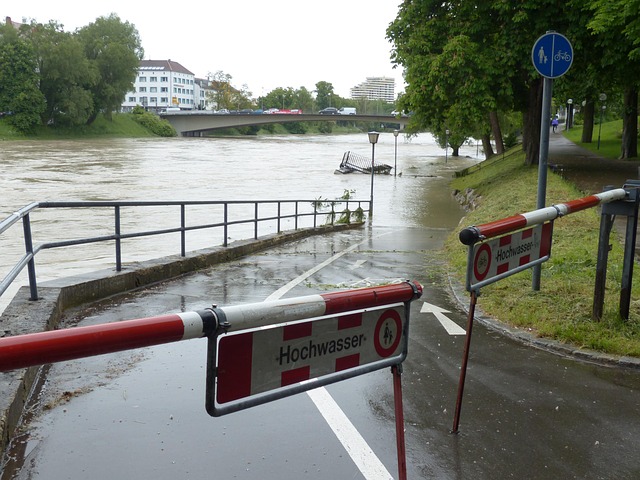
When navigating home insurance claims for flood damage, documenting and preparing your claim effectively is paramount to ensuring a swift and fair resolution. The initial steps after a flooded basement dry out and repair begin with gathering key evidence that supports your case. This includes detailed photographs of both the damaged areas and the scope of the water intrusion, as well as any documentation from professionals who have assessed the structural integrity of your home following major floods.
Consider documenting every aspect affected by the flood, not just visually apparent damage. This may involve examining and recording the condition of electrical systems, plumbing, and even attic insulation – areas that can be overlooked but are crucial for a comprehensive claim. For instance, water damage in the attic could have insidious effects if left unchecked, leading to further structural issues or mold growth. It’s wise to engage professionals who specialize in home restoration after major floods to assess these details thoroughly.
In addition to visual evidence, keep records of all communication with your insurance provider, as well as any estimates for repairs from qualified contractors. This includes detailed breakdowns of the work required, materials needed, and associated costs. For example, data shows that average home restoration costs following severe floods can range from $20,000 to $40,000 or more, depending on the extent of damage. Having comprehensive documentation will allow for a smoother process when dealing with structural flood damage.
Before you begin the claim process, it’s advisable to organize your records logically and keep them easily accessible. This includes creating a detailed inventory of personal belongings affected by the flood, complete with photos and descriptions. While house clearance after flood damage can be a daunting task, having these records ready will enable a more efficient and effective claim preparation. Remember, your goal is to provide clear, thorough documentation that supports your need for compensation and facilitates the restoration of your home.
Common Challenges and How to Overcome Them
Dealing with flood damage can be a challenging and emotional process for homeowners. Among the many complexities, house clearance after flood damage stands out as a significant hurdle. This is especially true in regions prone to frequent flooding, where residents may face this predicament multiple times. A common challenge during post-flood recovery is the task of clearing out damaged goods and restoring homes to their pre-flood condition. Many homeowners are unaware that professional help can streamline this process, ensuring not just effective house clearance but also eco-friendly flood damage restoration.
One of the primary difficulties lies in assessing what items can be salvaged and what needs to be discarded, particularly after extensive water damage. The cost of house clearance after flood can vary widely depending on the severity of the event. According to recent studies, average home insurance claims for flood damage increased by 12% over the last five years, emphasizing the growing need for informed decision-making during restoration. Professional restorers can provide invaluable guidance, ensuring that only safe and sanitary materials are reused or recycled, which is especially important in light of environmental concerns.
After initial clearance, house restoration post-flood becomes a delicate process. Traditional methods often involve extensive use of harsh chemicals, posing potential health risks. However, eco-friendly flood damage restoration techniques have gained prominence, offering safer alternatives. These methods include using biodegradable cleaning agents and moisture controls that minimize the ecological impact while ensuring effective restoration. For instance, some restorers employ specialized equipment to dry structures quickly, reducing mold growth and the need for toxic chemicals. By prioritizing environmental friendliness, homeowners can contribute to a healthier post-disaster landscape while restoring their homes.
To navigate these challenges effectively, homeowners should consider engaging professional flood damage restoration services. With their expertise in house clearance after flood damage and eco-friendly practices, restorers can significantly enhance the recovery process. Visit us at [professional flood damage restoration] anytime to learn more about how we can assist you during this critical phase, ensuring a smoother transition back to your pre-flood life.
In navigating home insurance claims for flood damage, understanding your coverage, following a structured claims process, effectively documenting your situation, and preparing for house clearance after flood damage are pivotal steps. This article has provided a comprehensive guide through each phase, from comprehending policy intricacies to overcoming common challenges. Key takeaways include the importance of immediate policy review, meticulous documentation during house clearance, and proactive communication with insurance providers. By adhering to these principles, homeowners can ensure smoother recoveries, faster settlements, and more effective post-flood house clearance processes, ultimately empowering them to rebuild with resilience and confidence.