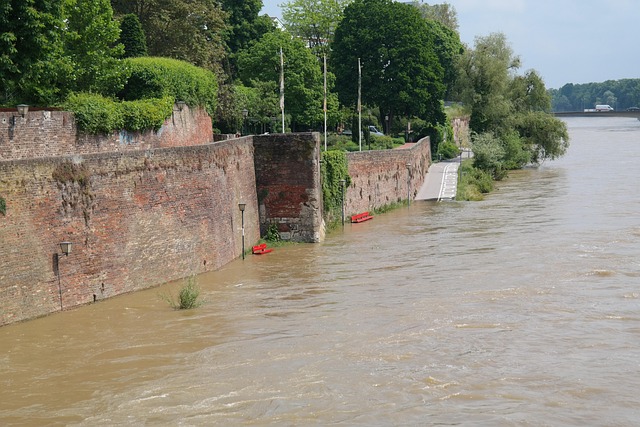
House Clearance After Flood Damage:
1. Safety First: Assess structural integrity, gas leaks, and electrical hazards. Wear protective gear.
2. Document Damage: Take photos/videos for insurance claims. Focus on high-risk areas.
3. Mitigate Risks: Pump out water, dry home quickly (60% RH or below), address structural repairs.
4. Discard Contaminated Items: Replace furniture, flooring, insulation once safe.
5. Mental Health: Seek support for emotional distress.
6. Expert Guidance: Consult professionals for safe reconstruction practices and tailored tips.
Floods can wreak havoc on homes, causing extensive damage and requiring meticulous House Clearance After Flood Damage. Understanding what to expect during the recovery process is crucial for homeowners navigating these challenging situations. This article provides an authoritative guide to flood damage, offering insights into common challenges and effective solutions. We’ll delve into the steps necessary for assessing and mitigating the impacts, ensuring a thorough understanding of the process from start to finish. By following our expert advice, you’ll be better equipped to manage the aftermath and restore your home with confidence.
- Assessing Flood Damage: Immediate Steps After a Flood
- House Clearance: Planning and Executing Post-Flood Cleanup
- Restoring Your Home: Expert Tips for Safe Reconstruction
Assessing Flood Damage: Immediate Steps After a Flood
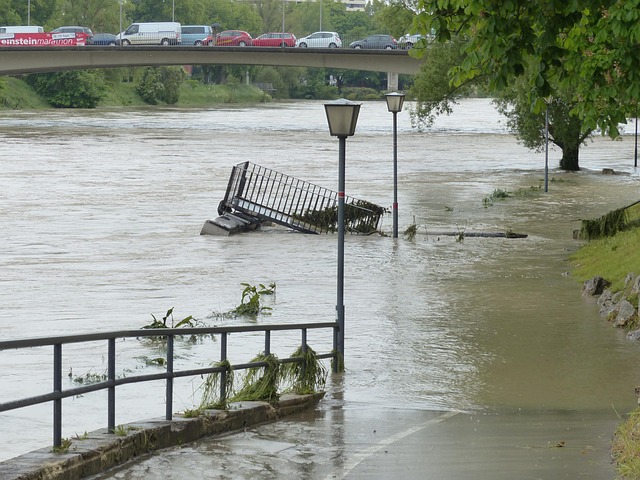
After a flood, assessing damage and taking immediate steps is crucial for effective house clearance after flood damage. The first 24–48 hours are critical in preventing further harm and ensuring a smoother rebuilding process. Start by making safety your top priority; check for structural integrity, gas leaks, and electrical hazards. Next, document the damage with photographs or videos for insurance claims. It’s important to act swiftly during this initial phase—pump out standing water as soon as possible to mitigate mold growth and structural issues.
House clearance can begin once the area is safe and dry. Remove wet items like furniture, carpets, and drywall, focusing on areas with significant water intrusion. For a flooded basement, drying out the space properly before attempting any repairs or house clearance is essential. Consider using dehumidifiers and fans to expedite the process, ensuring relative humidity levels below 60% to prevent mold growth.
Rebuilding after a flood requires a comprehensive guide that addresses structural repairs, rebuilding efforts, and restoration techniques. Contacting professionals like Flood Recovery Cleaning Solutions can provide valuable expertise throughout this challenging time. They offer house clearance services and specialized knowledge for flooded basement dry out and repair, ensuring your home is restored to its pre-flood condition effectively. Remember, prompt action, thorough documentation, and expert assistance are key to navigating the complexities of flood damage and successfully rebuilding your home.
House Clearance: Planning and Executing Post-Flood Cleanup

Post-flood cleanup requires a methodical approach, especially when it comes to house clearance after flood damage. The immediate aftermath of a flood presents a challenging task: safely removing contaminated items, restoring essential spaces, and preparing for potential future events. This process demands careful planning and execution, considering the health and safety of occupants as well as structural integrity. One critical component often overlooked is efficient use of fans during cleanup, which can significantly expedite drying times and prevent mold growth.
Effective house clearance involves assessing every room and item within. Prioritize areas based on use and contamination levels, focusing first on spaces like kitchens and bathrooms. Restoring your kitchen after a flood requires meticulous attention to detail, from disinfecting surfaces and appliances to addressing water-damaged flooring. Remember that the goal is not just to clean but also to prevent further damage and ensure a healthy environment. Proper disposal of affected materials is essential; some items may require specialized handling according to local regulations.
Preparing for future flood events involves implementing preventative measures and enhancing your home’s resilience. This includes improving drainage around your property, installing check valves in plumbing systems, and securing valuable documents in waterproof containers. As you navigate the house clearance process, consider consulting with professionals who specialize in post-disaster cleanup. They can provide expert advice tailored to your situation, ensuring that your home is thoroughly restored and ready for whatever lies ahead. For a comprehensive understanding of your rights and options following flood damage, refer to our guide on how to value a flood damage claim.
Restoring Your Home: Expert Tips for Safe Reconstruction

Recovering from flood damage can feel overwhelming, but with expert guidance, it’s possible to navigate this challenging process effectively. When restoring your home after a flood, it’s crucial to understand what to expect and avoid common pitfalls. Many homeowners make costly mistakes during house clearance after flood damage, such as rushed repairs or inadequate decontamination, which can lead to further issues and health risks.
The first step in the restoration process is assessing the extent of the damage. Begin by documenting everything with photos and videos for insurance claims and future reference. Pay close attention to structural integrity, electrical systems, and plumbing—any of these compromised could pose significant hazards. Remember, floodwater often carries contaminants like bacteria, mold, and chemicals, so proper safety precautions are essential. Wearing protective gear during house clearance after flood damage is non-negotiable; this includes gloves, masks, and eye protection.
Once the initial assessment is complete, prioritize tasks to mitigate further damage and risks. Start by removing standing water and drying out your home as quickly as possible. Use fans and dehumidifiers, but be mindful of electrical safety when powering these devices. After the area is dry, address any structural repairs or replacements needed to ensure stability. Only then should you begin the process of house clearance after flood damage. Discard contaminated items like furniture, flooring, and insulation, replacing them with new materials once the affected areas are deemed safe.
Beyond physical restoration, post-flood mental health considerations cannot be overlooked. Flood damage often results in significant emotional distress, so take time to care for yourself and your family during this difficult period. Seek support from local resources or professional counselors if needed. Remember, it’s not only about restoring your home but also healing from the trauma of a flood. For instance, studies have shown that timely mental health interventions can help individuals cope better with post-disaster stress.
As you navigate house clearance after flood damage and reconstruction, don’t hesitate to reach out to professionals for guidance. Give us a call at Restoring a Kitchen After a Flood (or your service area-specific brand) to learn more about safe reconstruction practices and expert tips tailored to your specific needs.
After experiencing flood damage, a comprehensive understanding of the process is crucial for safe and effective recovery. Key takeaways include prioritizing immediate assessment of flood damage to prevent further harm, implementing structured house clearance after flood damage to ensure safety and sanitation, and following expert advice for restoration and reconstruction to maintain home integrity. By combining swift action with thorough cleanup and meticulous rebuilding, homeowners can mitigate losses, protect their health, and restore their properties to pre-flood condition. This article equips readers with the knowledge and steps necessary for navigating house clearance after flood damage, empowering them to tackle this challenging situation with confidence and expertise.