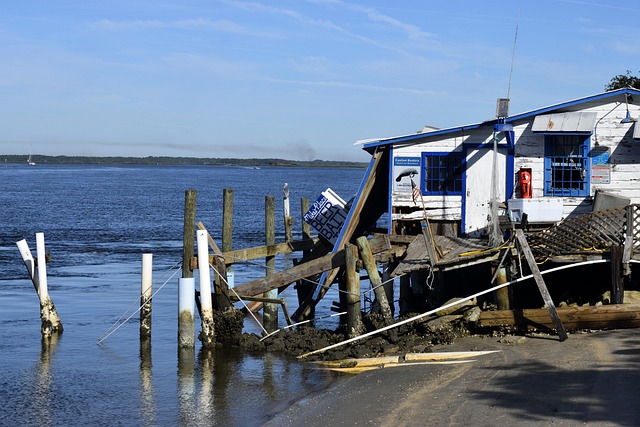
House Clearance After Flood Damage: Critical steps include immediate assessment, removal of damaged items, professional assistance, thorough drying, structural repairs, and air quality testing. Prompt action prevents mold growth, structural damage, and health risks from contaminants like VOCs and bacteria. Specialized professionals with advanced tools ensure safe living conditions, safeguard property values, and streamline insurance claims. Proactive flood preparedness measures minimize future damage.
In the wake of catastrophic floods, homeowners often face a daunting task: assessing and restoring their properties. Among the many challenges, post-flood home air quality emerges as a critical concern. Water-damaged structures can harbor hazardous mold, bacteria, and toxins, leading to respiratory issues and other health problems for residents. Effective house clearance after flood damage is not merely about physical restoration; it’s about ensuring a safe and healthy living environment. This article delves into the intricate issues surrounding post-flood air quality, offering practical insights and expert guidance on navigating this critical phase of recovery.
- Understanding Post-Flood Air Quality Risks
- House Clearance After Flood Damage: Initial Steps
- Identifying Toxic Contaminants in Affected Areas
- Safe Cleaning Practices for Healthy Indoor Environments
- Long-Term Solutions: Ensuring Air Quality Sustainability
Understanding Post-Flood Air Quality Risks

Post-flood home air quality is a critical concern, particularly during house clearance after flood damage. The water intrusion and subsequent drying process can create a complex mix of airborne contaminants, posing significant health risks to residents. Mold growth, for instance, thrives in damp environments, and its spores can trigger allergies, respiratory issues, and other adverse health effects. According to the Environmental Protection Agency (EPA), mold-related illnesses affect millions of Americans each year, with post-flood situations exacerbating these risks.
Preventing mold after flood damage is paramount. Homeowners should begin by assessing the extent of water intrusion and taking immediate steps to dry out affected areas thoroughly. This involves using dehumidifiers and fans to expedite the drying process, ensuring that all surfaces—including walls, floors, and furnishings—are completely dry within 24-48 hours. It’s also crucial to address any structural damage and remove saturated materials like drywall or insulation, as these can harbor mold growth. Hiring experts for flood cleanup, such as those with specialized equipment and training, is often the best course of action to ensure effective house clearance after flood damage and prevent long-term health issues.
Home insurance claims for flood damage are a critical step in mitigating financial losses and facilitating the cleanup process. Policyholders should thoroughly document the water intrusion, take photos of damaged property, and keep receipts for any materials or services required during the cleanup. However, it’s important to note that standard home insurance policies typically do not cover flooding; homeowners may need separate flood insurance coverage. Once the initial assessment is complete, it’s time to consider hiring professionals who can assist with the rebuilding process and ensure the safety of the living environment.
For instance, a study by the Centers for Disease Control and Prevention (CDC) found that homes left wet for more than 48 hours after flooding were three times more likely to develop mold problems. This underscores the importance of prompt action in house clearance after flood damage. By engaging experts and following best practices for preventing mold growth, homeowners can protect their health, preserve property values, and streamline the insurance claims process. For personalized guidance on how to clear out a flooded house, consult with local professionals who specialize in post-flood cleanup and restoration—find us at [your brand/service website] for expert assistance.
House Clearance After Flood Damage: Initial Steps

After a flood, house clearance and restoration are crucial steps to ensure your home’s safety and health. The initial assessment of flood damage is critical; what may appear as minimal water intrusion can lead to significant issues like mold growth and structural damage. It’s important to act swiftly, as quick response times can prevent extensive contamination and costly repairs down the line.
The first step in house clearance after flood damage involves removing all damaged items—from furniture and belongings to insulation and drywall. These materials often retain water and serve as breeding grounds for mold if not properly addressed. It’s recommended to discard non-salvageable items, especially those with strong odors or visible signs of contamination. Professional assistance is invaluable here; specialized equipment ensures efficient removal without causing further harm.
Once the clearance process begins, proper ventilation becomes paramount. Open windows and doors to facilitate air circulation, helping to dry out the space and deter mold growth. This step should coincide with the initial assessment for flood damage what to expect—identifying areas at highest risk for water intrusion and subsequent issues like rot or insect infestations. House restoration post-flood requires a strategic approach, focusing on both structural repairs and meticulous cleaning to restore your home’s pre-flood condition.
As professionals in this field emphasize, investing in flood preparedness is invaluable. This includes ensuring adequate insurance coverage, installing check valves in drainage systems, and keeping valuable items elevated. By proactively addressing these measures, homeowners can minimize the impact of potential future floods, preventing extensive damage and the associated costs. Remember that finding us at preventing mold growth after flood can provide expert guidance tailored to your specific needs following a flood event.
Identifying Toxic Contaminants in Affected Areas

Post-flood home air quality is a critical consideration when dealing with water damage, especially as toxic contaminants can become trapped in affected areas. The initial flooding event may introduce a range of hazardous substances, and if left unchecked, these can persist long after the waters have receded. Identifying these contaminants is an essential step in ensuring safe living conditions for homeowners, particularly when it comes to house clearance after flood damage.
One of the primary concerns during flood restoration is the presence of volatile organic compounds (VOCs) from various sources like building materials, furniture, and even personal belongings. For instance, pressed wood products can release formaldehyde, a known irritant, while synthetic fabrics may contain chemicals that become airborne when wet. In addition to these, contaminated water itself can introduce harmful bacteria, viruses, and parasites if not properly treated. This is why hiring local flood restoration teams who are equipped with advanced air purification systems and have expertise in house clearance after flood damage is crucial. These professionals understand the specific protocols for saving family photos from water damage and other valuable items while mitigating airborne contaminants.
The impact of toxic chemicals can be severe, leading to respiratory issues, allergies, and even long-term health problems if not addressed promptly. Data from recent studies suggests that up to 30% of homes affected by flooding may still have elevated levels of VOCs months later, underscoring the importance of professional intervention. Hiring specialized teams for flood preparedness isn’t just an investment in your property; it’s a proactive step towards ensuring family safety and well-being. By enlisting their services, homeowners can be confident that their properties will be thoroughly dried and decontaminated, with air quality restored to safe levels. This process includes not only saving cherished memories like family photos from water damage but also preparing for future events to minimize the impact of potential flooding.
For effective house clearance after flood damage, it’s essential to work with reputable companies that prioritize both restoration and health safety. Through their expertise, homeowners can be guided on the best practices for salvaging belongings and ensuring a safe environment, even in the face of significant water damage. Remember, proper flood preparedness is not just about restoring your home; it’s about safeguarding your family and protecting your investment—all starting with identifying and addressing toxic contaminants. For professional assistance, find us at remediating water damaged homes to ensure a thorough and safe restoration process.
Safe Cleaning Practices for Healthy Indoor Environments

Post-flood home air quality is a significant concern for anyone dealing with house clearance after flood damage. The water intrusion can leave behind not only visible debris but also invisible threats like mold spores and other contaminants. In fact, studies show that up to 40% of homes affected by major floods develop mold issues within just a few months. This underscores the importance of adopting safe cleaning practices during home restoration after major floods to ensure a healthy indoor environment for occupants.
A comprehensive step-by-step flood damage cleanup is essential. It starts with assessing the extent of water intrusion and removing standing water promptly. This prevents further damage and reduces the risk of mold growth. Next, it’s crucial to dry out the affected areas thoroughly using fans, dehumidifiers, or even professional drying equipment. Proper ventilation helps speed up this process and minimizes moisture buildup, a key factor in mold prevention. During this phase, it’s recommended to discard any water-damaged materials that cannot be cleaned and dried adequately—a necessary step in the house clearance process after flood damage.
Once the areas are dry, focus on deep cleaning using non-toxic, EPA-approved disinfectants. Pay close attention to hard surfaces like floors, walls, and countertops, as well as high-touch surfaces like doorknobs and light switches. To prevent mold further, consider using anti-mold treatments on porous materials like drywall and insulation. It’s also vital to address any structural issues that may have been exacerbated by the flood. This could involve repairing or replacing affected components to ensure the home’s integrity and safety.
For those grappling with the aftermath of a flood, visiting us at Flood Recovery Cleaning Solutions can provide expert guidance tailored to your specific situation. Our team offers specialized house clearance after flood damage services designed to not only restore your property but also ensure a healthy, safe living environment for your family. Remember that proper cleaning practices during and after a flood are paramount in mitigating health risks associated with mold and other contaminants, making your home a sanctuary once again.
Long-Term Solutions: Ensuring Air Quality Sustainability

Post-flood home air quality is a critical aspect of recovery that’s often overlooked until it becomes a persistent health concern. The aftermath of floodwater intrusion leaves behind a complex mix of contaminants, from mold and mildew to volatile organic compounds (VOCs) emitted by water-damaged materials. Long-term solutions for ensuring sustainable air quality require a multi-faceted approach.
One key step is understanding what not to do after flood damage—for instance, avoid using unventilated or unregulated drying methods that can exacerbate mold growth. Instead, invest in proper house clearance after flood damage, removing water-saturated materials and contents promptly. This preventative measure significantly reduces the risk of subsequent health issues like respiratory problems and allergic reactions.
Preparing for future flood events is paramount to maintaining healthy indoor environments. Implementing flood protection measures, such as waterproof barriers and elevated appliances, can minimize water intrusion during subsequent incidents. Regular maintenance and inspection of these systems are crucial, given that a single breach can contaminate entire areas with standing water and the associated pollutants.
To prevent health risks post-flood, air quality testing should be conducted by qualified professionals using advanced tools like air samplers and moisture meters. Once identified, specific contaminants require tailored mitigation strategies. For example, mold remediation involves removing affected materials down to the source of moisture, ensuring proper disposal according to local regulations. Additionally, ventilating the space with high-efficiency particulate air (HEPA) filters can significantly reduce airborne contaminants, fostering a healthier living environment.
Given the complexity and potential risks involved, it’s crucial to engage professionals experienced in structural flood damage, like our team, for comprehensive house clearance and ongoing air quality monitoring. By giving us a call at [brand/NAP], you’ll gain access to expert guidance tailored to your unique needs, ensuring that your home recovers safely and sustainably from flood damage.
In addressing post-flood home air quality concerns, understanding the risks associated with House Clearance After Flood Damage is paramount. Key insights include recognizing toxic contaminants like mold, volatile organic compounds (VOCs), and asbestos that can persist after flooding. Safe cleaning practices, emphasizing personal protective equipment, proper ventilation, and specialized cleaning solutions, are crucial for maintaining healthy indoor environments. Long-term solutions involve implementing sustainable air quality management strategies, such as efficient filtration systems and regular monitoring, to ensure the continuity of clean and safe living spaces. By following these guidelines during House Clearance After Flood Damage, residents can mitigate risks, protect their health, and restore their homes to safe, livable conditions.